

Open Wells Conservation Project
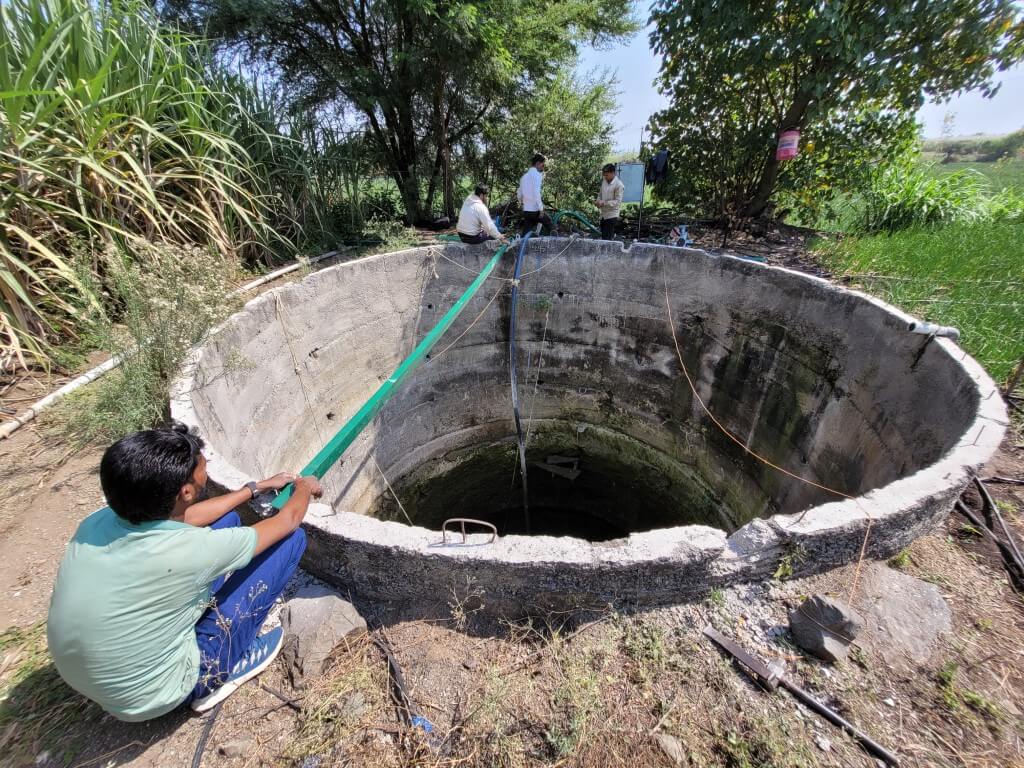
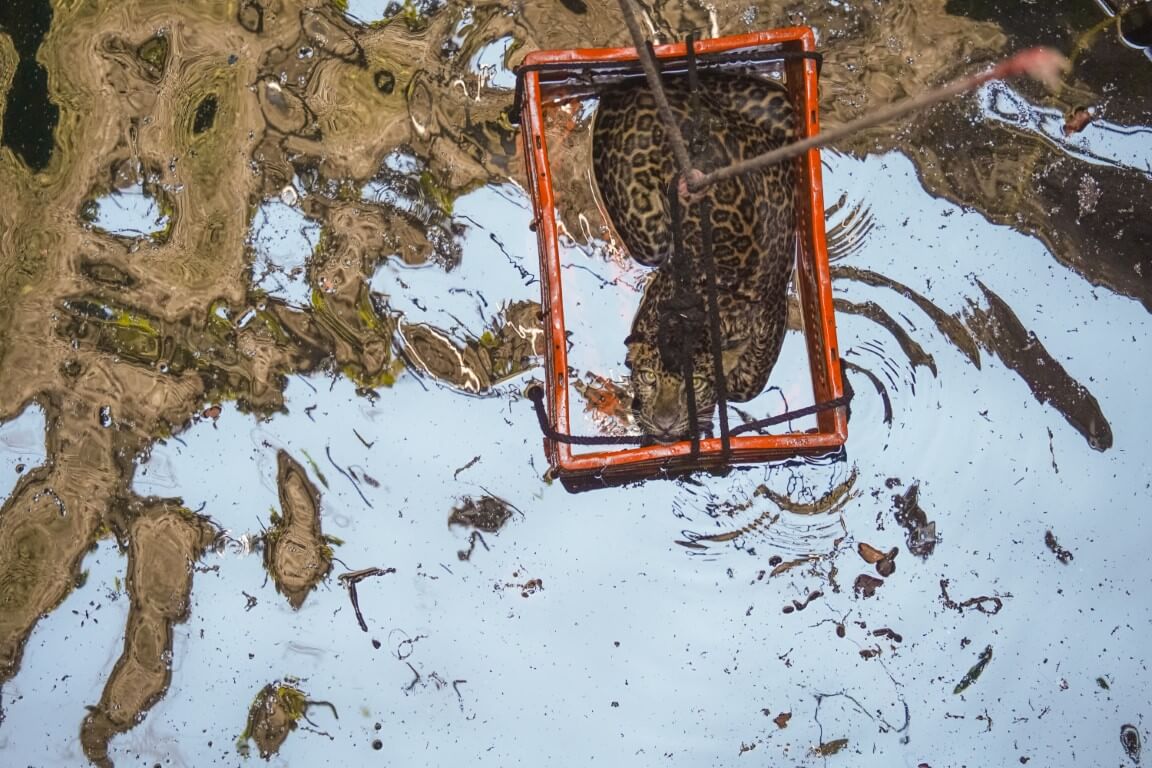
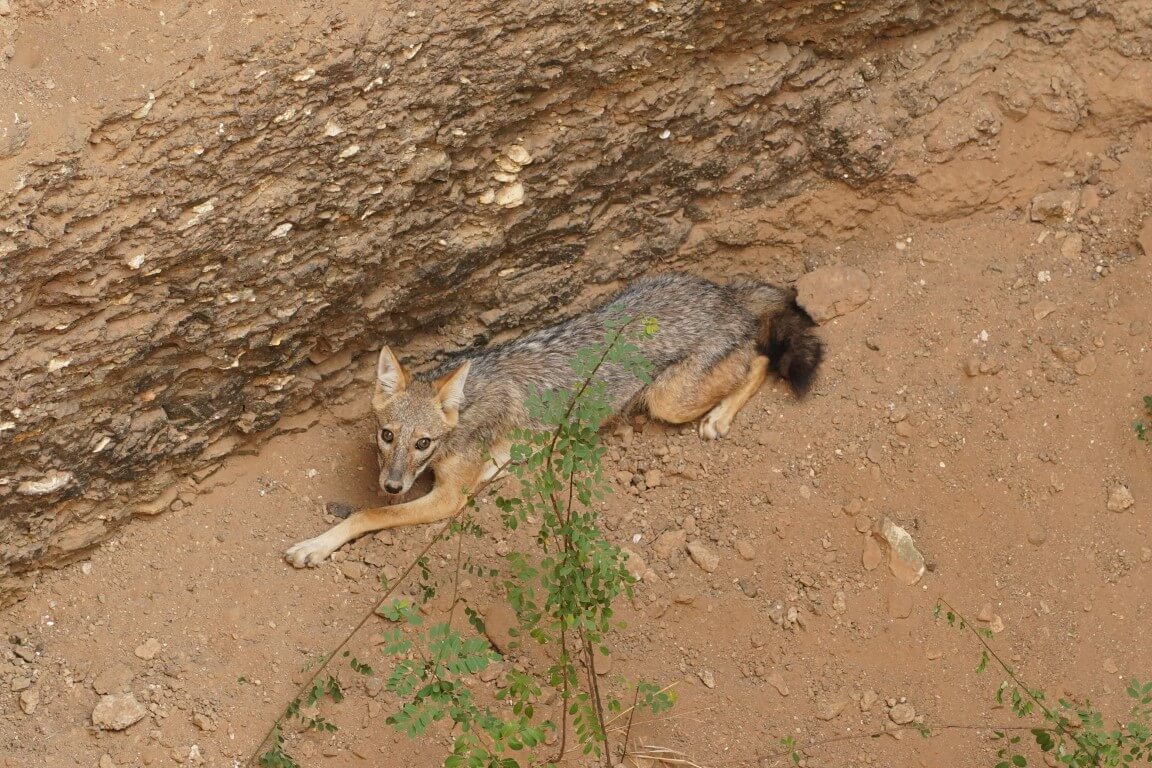
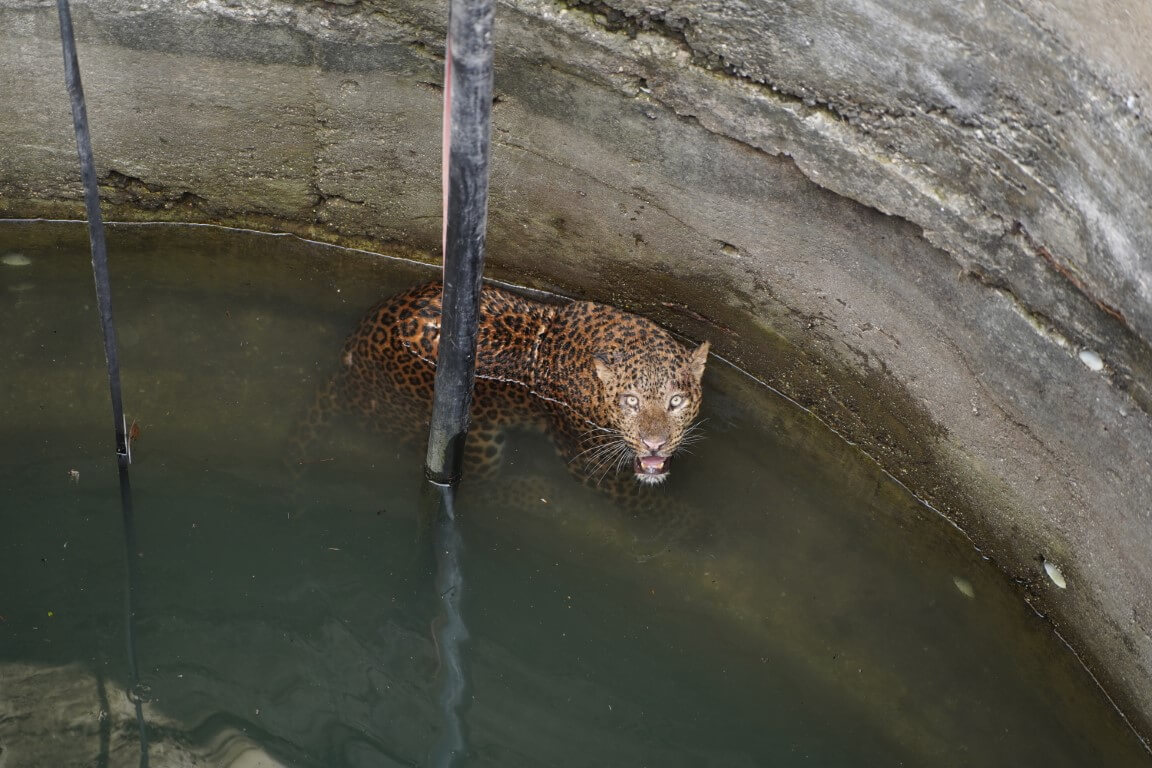
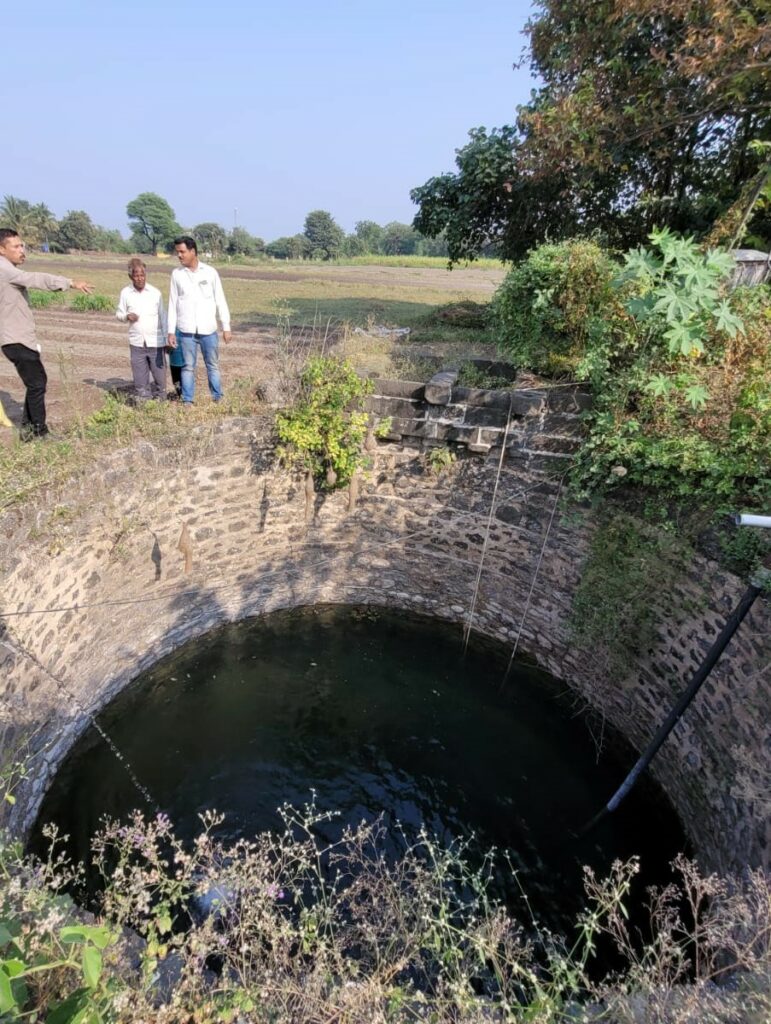
Unlined earthen pores known as open wells provide access to groundwater. However, the presence of these wells can be regarded as a double-edged sword. While allowing society to relocate away from rivers, and providing access to water to irrigate agricultural fields, these wells began to simultaneously spell doom to a host of wild animals. The buffer zones that separate populated and woodland areas are scattered with several uncovered wells that range from 1 to 70 metres in depth and 2 to 20 metres in diameter. Most wells don’t have any sort of lid or barrier walls to prevent animals from accidentally falling into it.
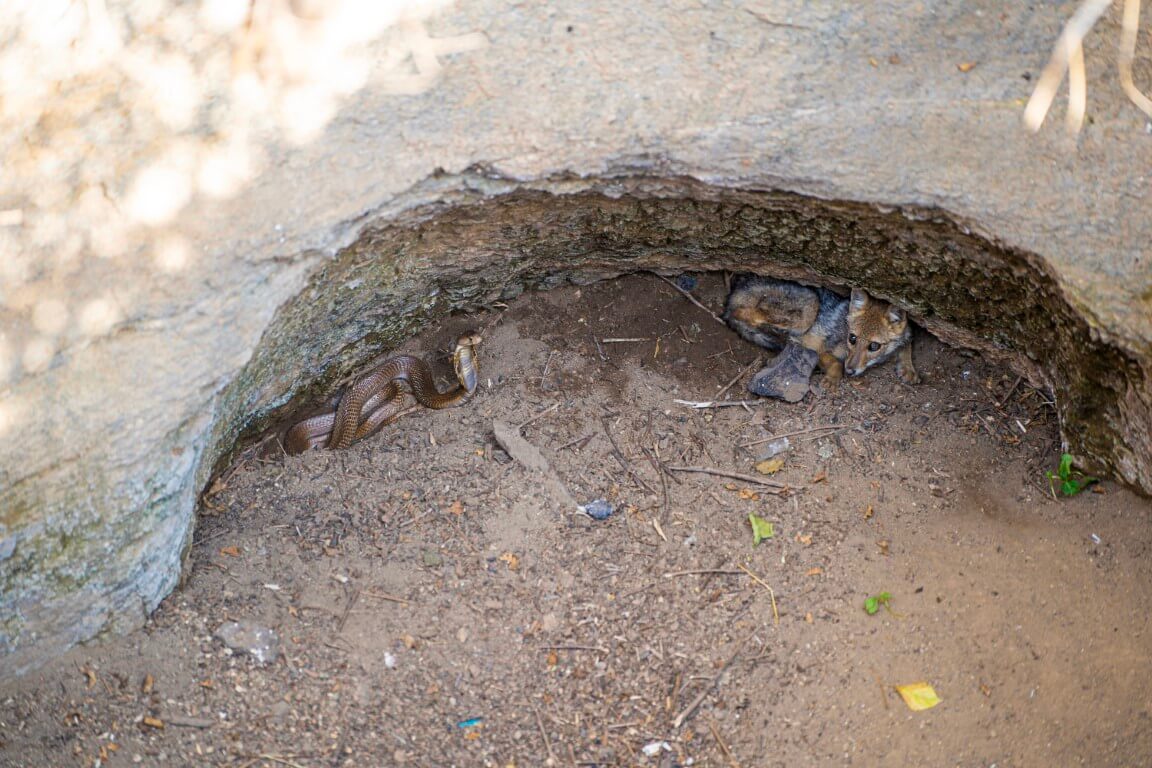
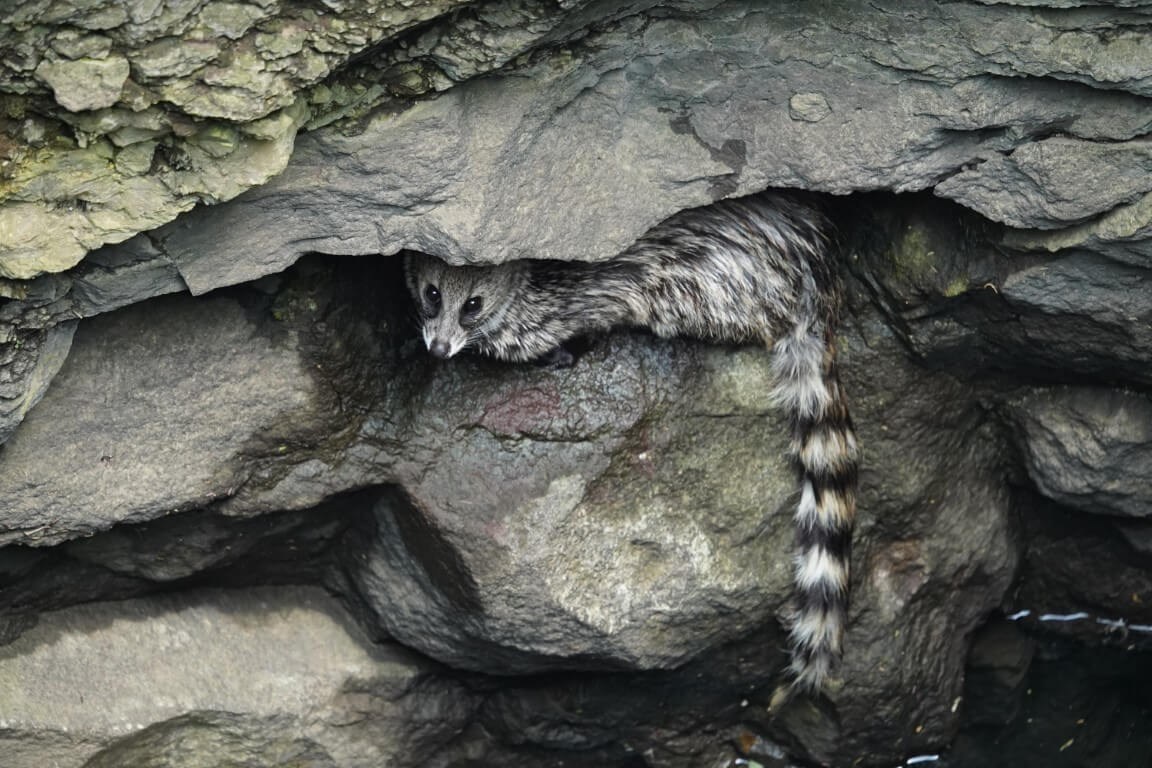
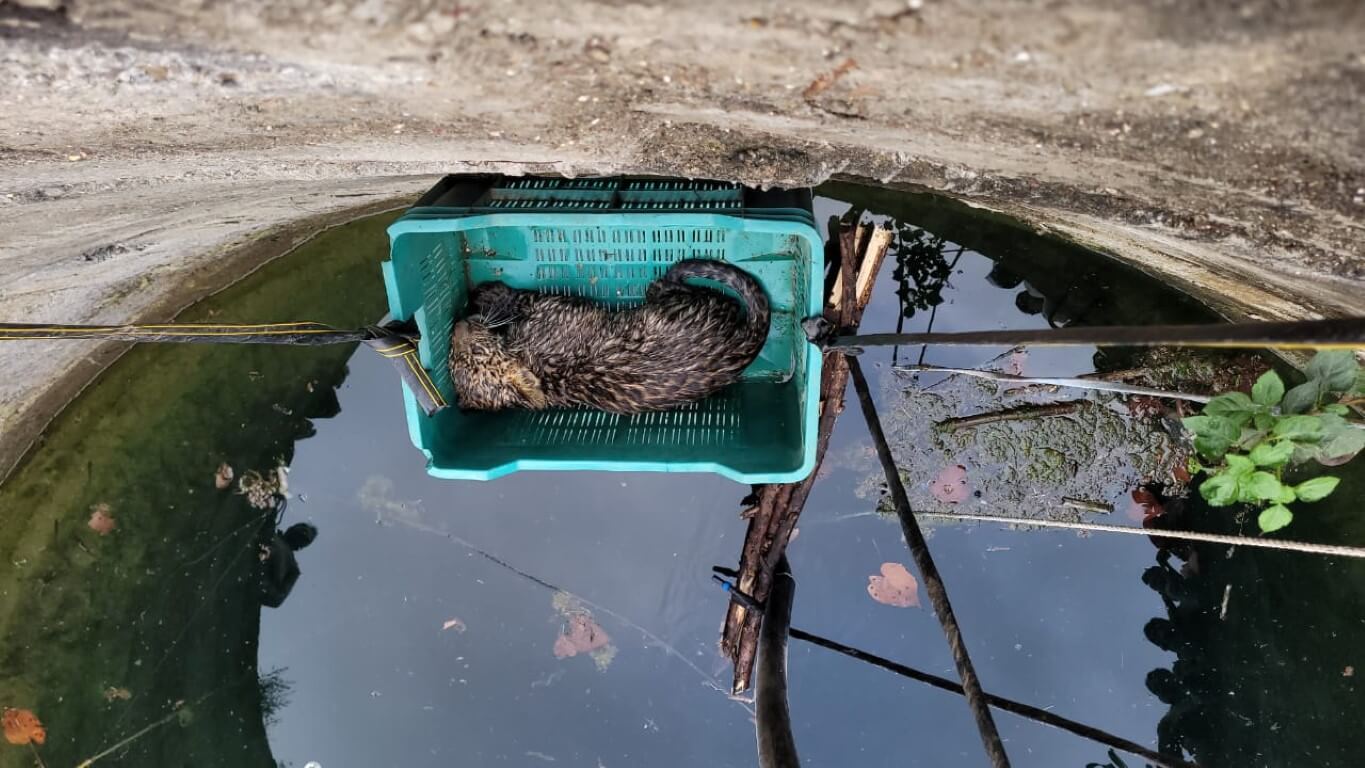
With no means of escape, these animals either drown (in case the well is filled) or perish because of starvation and injuries sustained (dry wells). Wildlife SOS has rescued several leopards, barn owls, sambar deer, cobras, jackals, civets and other animals from these open wells. In 2022, after undertaking years of field research, Wildlife SOS launched the Open Wells Conservation Project, a massive initiative to cover Maharashtra’s open wells. This is an effort to turn the state into a safe haven for leopards as well as other species.
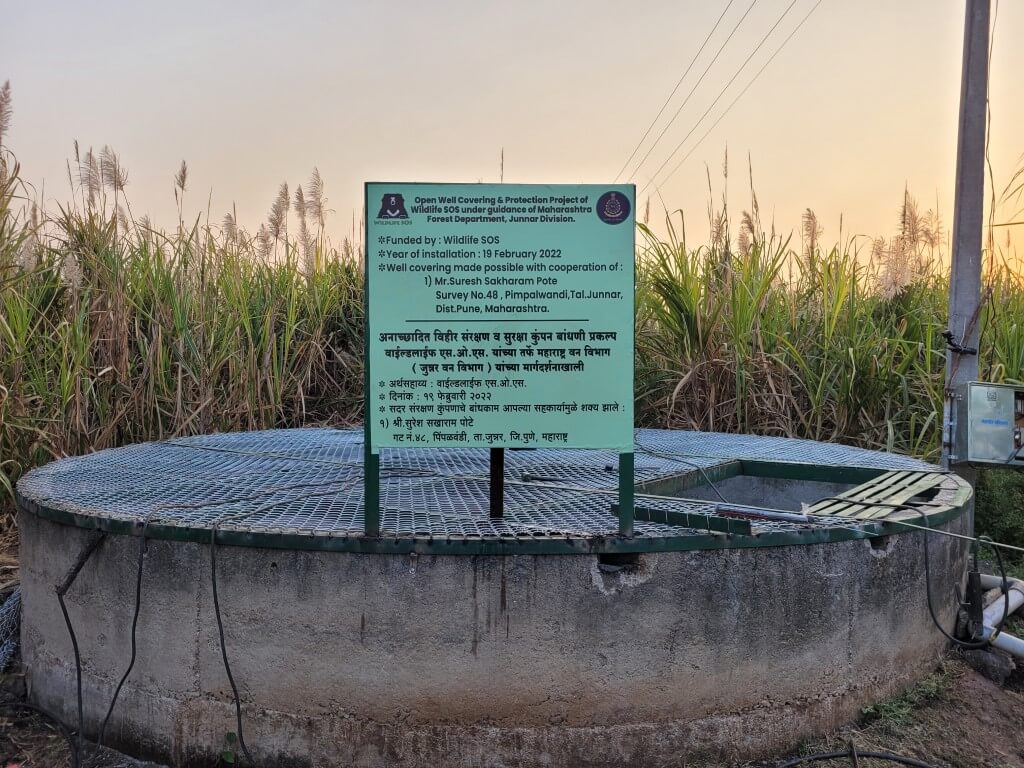
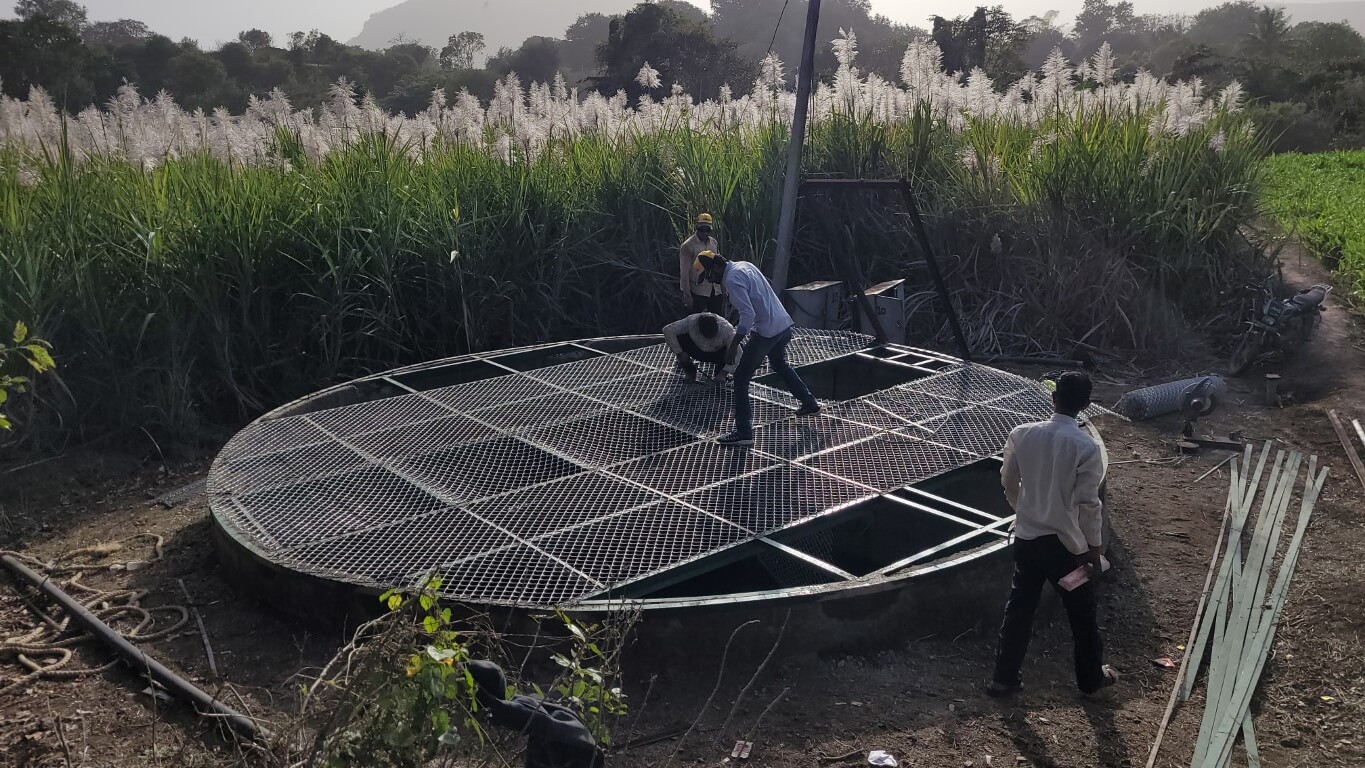
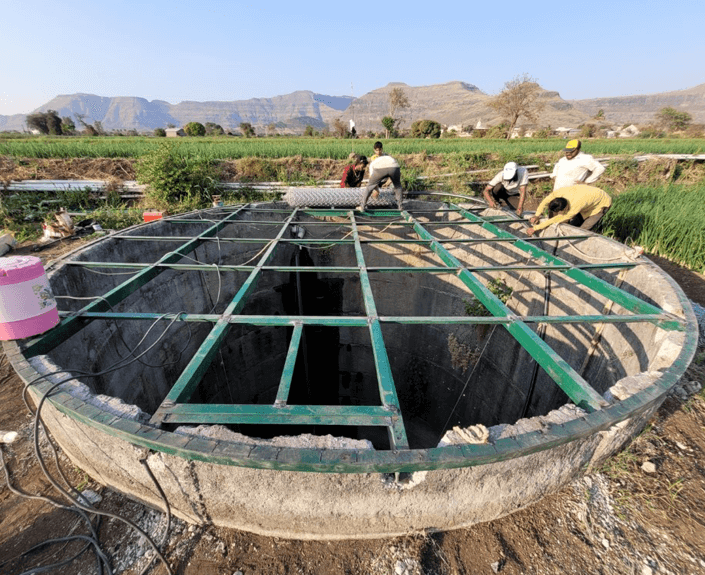
Our crew discovered that because the majority of the wells continue to be an essential supply of water for communities, filling them was not an option. Additionally, the well’s location and the local wildlife affected the risk posed by it. In order to determine the risks an open well poses, our team simultaneously identified the wells which are prone to accidental falls and from which we have saved animals. Wildlife SOS strives to cover these wells with utmost care by using expert welders and strong materials to survive future deterioration.
Objective: To cover up the open wells of Maharashtra in an effort to save leopards and other animals who met tragic ends by accidentally falling into them, while ensuring that the well does not lose its function as a water source for local communities.
Scope: As part of Phase One of the project, the Wildlife SOS team operating out of the Manikdoh Leopard Rescue Centre intends to cover 40 wells identified as high risks to wildlife.
Location/Region: Maharashtra
Milestones:
- Risk-prone wells identified.
- Local farmers involved in providing assistance and advice regarding design, usability and maintenance of wells.
- 14 wells across Pimpalgaon Siddhanath, Pimpalwandi Bangalawasti, Pune and Kabadwadi covered as of March 2024.
- 5 more wells located in Hivare Narayangaon,
Warulwadi, Pimpari Pendhar, Nimgaon Sawa and Ane covered by 2025.
Timeline:
- 2022 — Phase 1 of the Open Wells Conservation Project launched.
- 2023 — 11 open wells successfully covered as of June 2023.
- 2024 — 14 open wells successfully covered as of March 2024.
- 2025 — 5 more open wells covered, taking total to 19.
Project Needs:
- Durable materials for covering the wells.
- Local assistance and feedback, ensuring conservation that works in tandem with the needs of the community.
Other Collaborating Groups: Maharashtra Forest Department.
Other Projects
Restoring Habitats for an Equitable Future
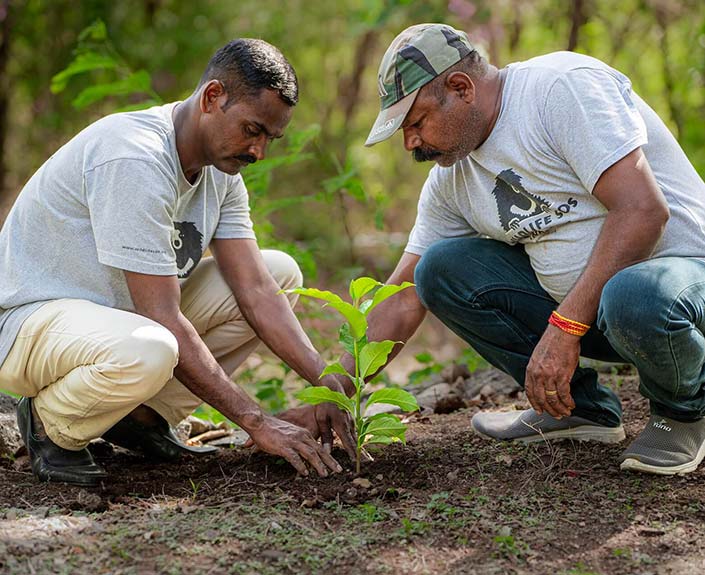
Wildlife SOS has initiated the 'Rewild for Wildlife' project to plant native trees.
Open Wells Conservation Project
Covering up open wells of Maharashtra to prevent animals (especially leopards) from falling in.
'Dancing' Bear Project
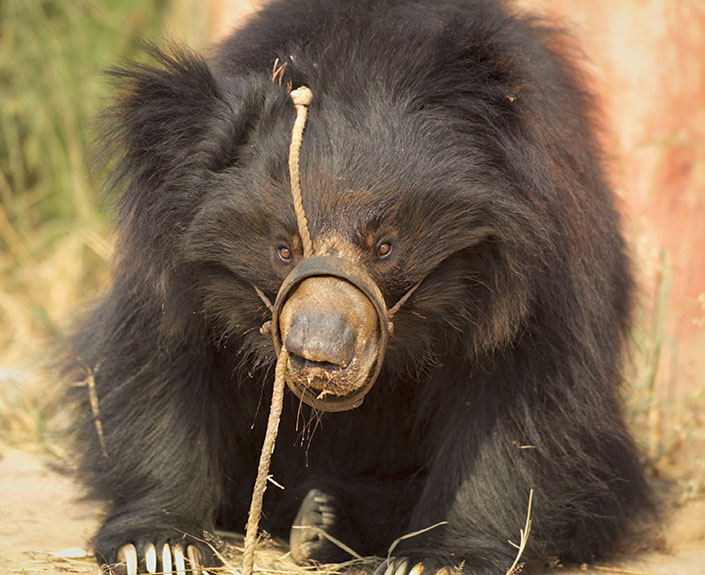
Eradication of the barbaric 400-year-old 'dancing' bear practice in India and provide lifelong care to the bears we rescue.
Elephant Conservation & Care
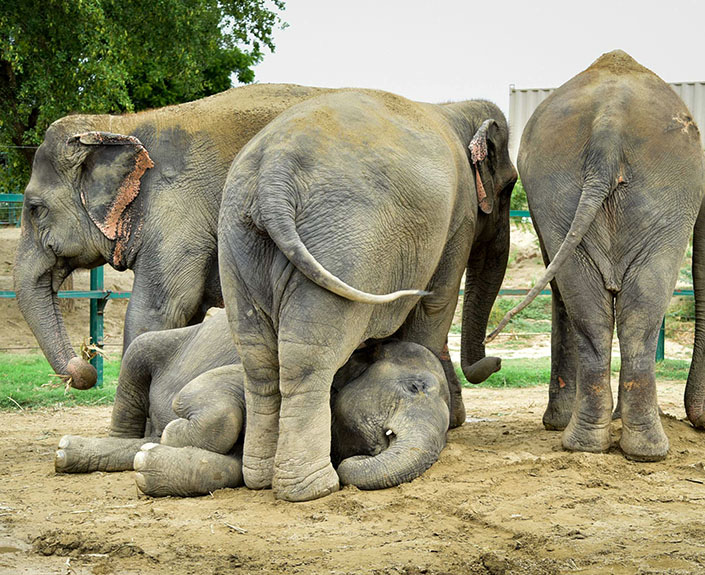
Rescuing and rehabilitating captive elephants from abusive conditions and providing lifelong care in their healing journey.
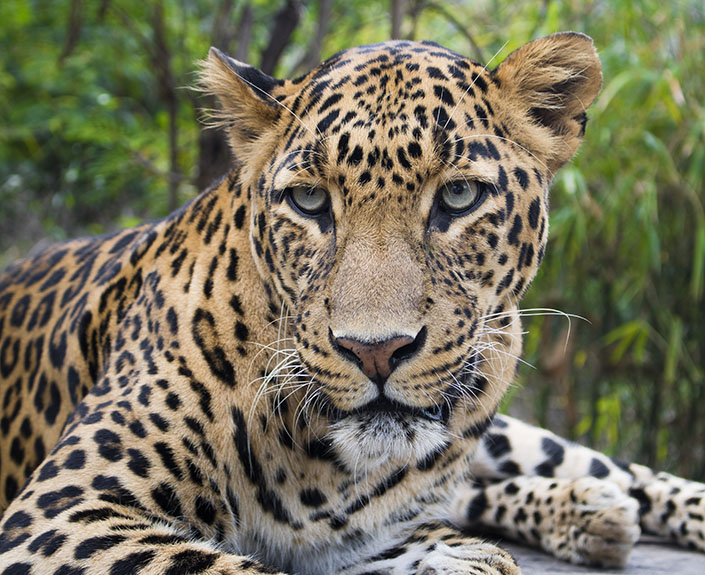
Leopard Conservation
Working towards mitigation of human-leopard conflict, and rescuing orphaned and injured leopards for lifetime care.
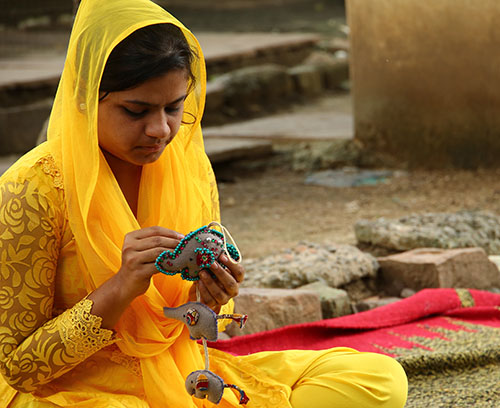
Tribal Rehabilitation Programme
Enable the indigenous communities to have alternative sustainable livelihoods after giving up their bears.
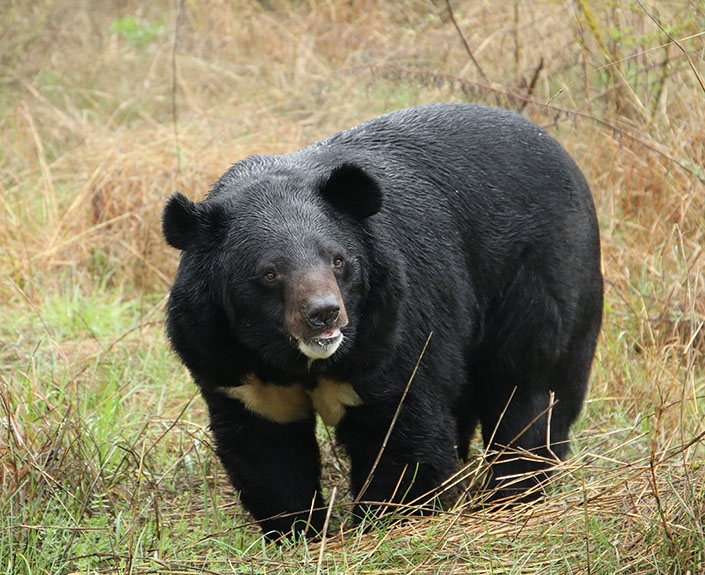
Human-Bear Conflict Mitigation
Protect and provide medical aid to bears in India vulnerable to conflict, poaching and other threats.
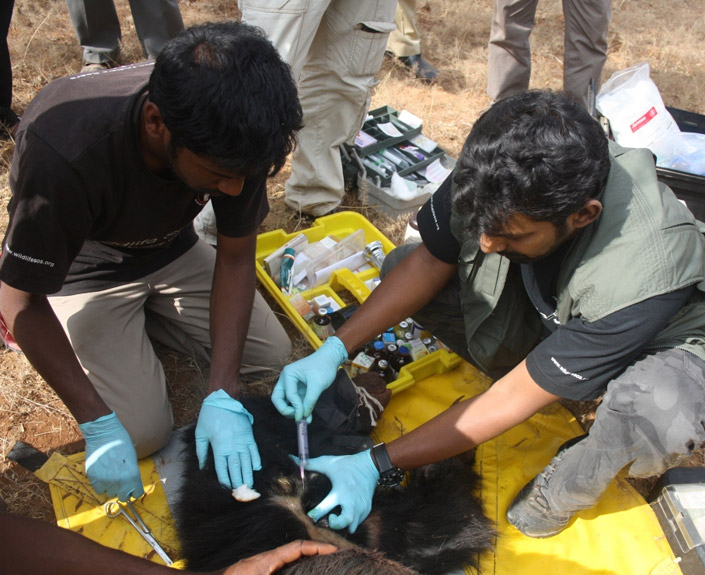
Human-Wildlife Conflict Mitigation
Provide hotlines for the rescue, assistance and dedicated medical care to injured or displaced wildlife.
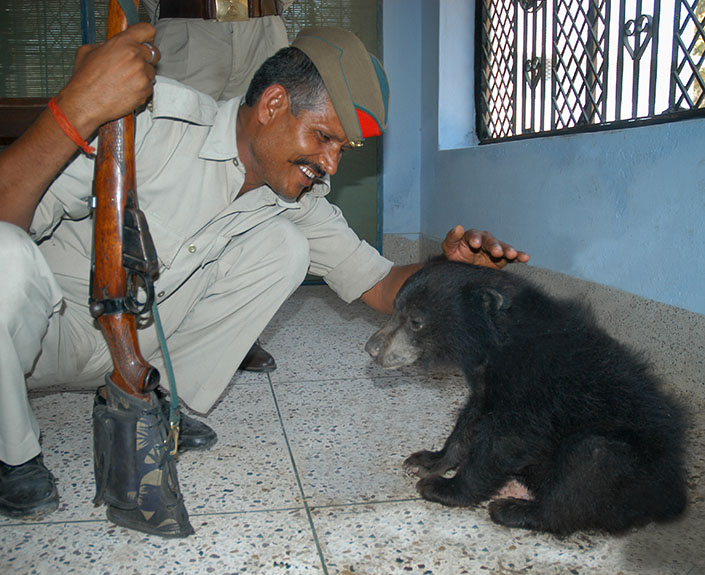
Anti-Poaching
The 'Forest Watch' programme assists the forest department and law enforcement to crack down on wildlife traffickers, poachers and smugglers.
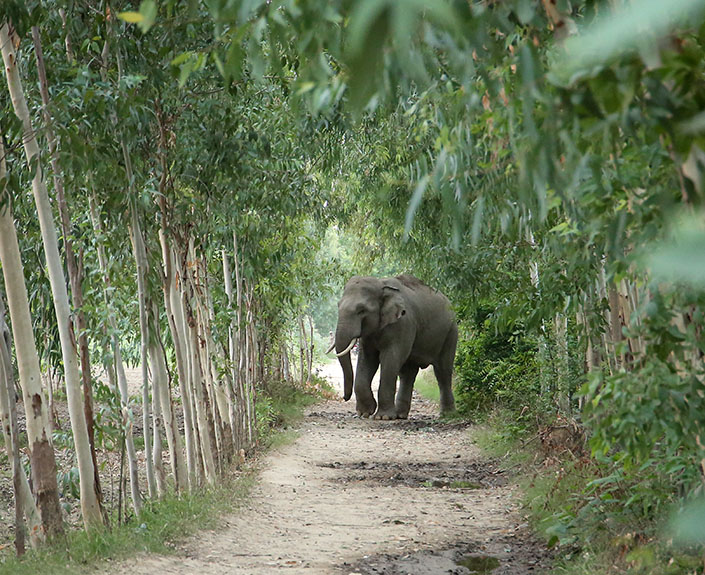
Human-Elephant Conflict Mitigation
Mitigate conflict with wild elephant herds and provide education in the Chhattisgarh region of India.
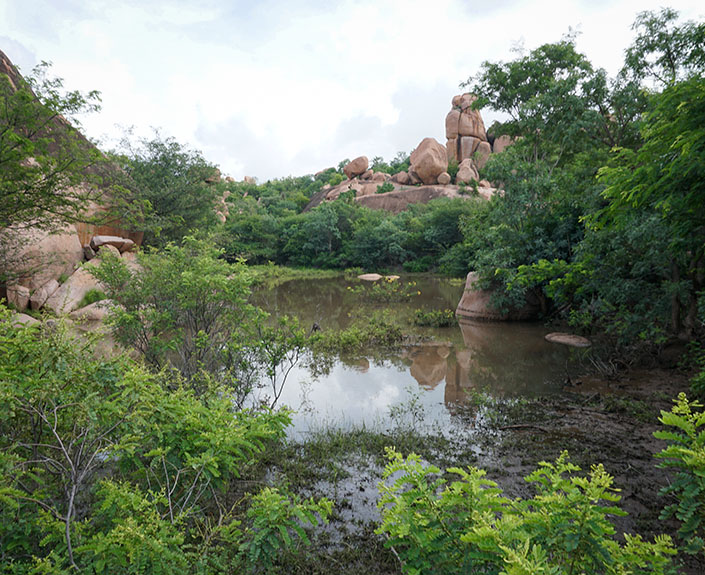
Habitat Conservation
This conservation project aims to protect precious sloth bear habitat near the Ramdurga Valley in Koppal, Karnataka, India.
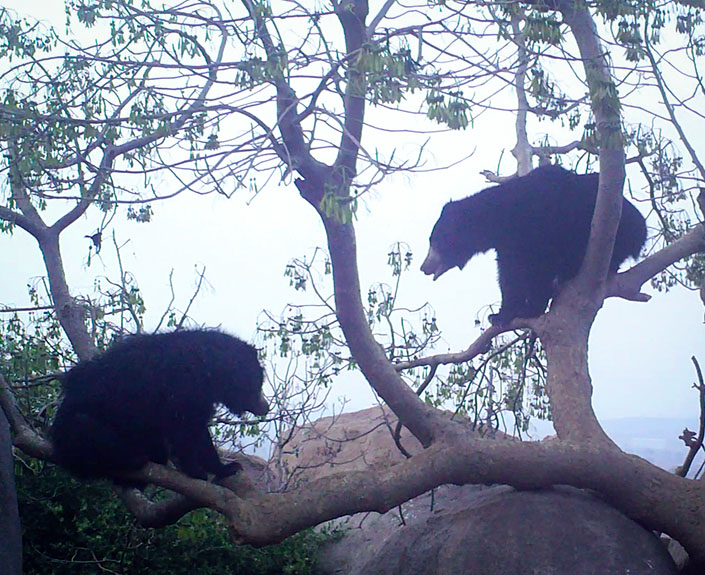
Research & Conservation
Wildlife SOS recognises that human caring and understanding is crucial to saving wild animals and protecting the habitats.