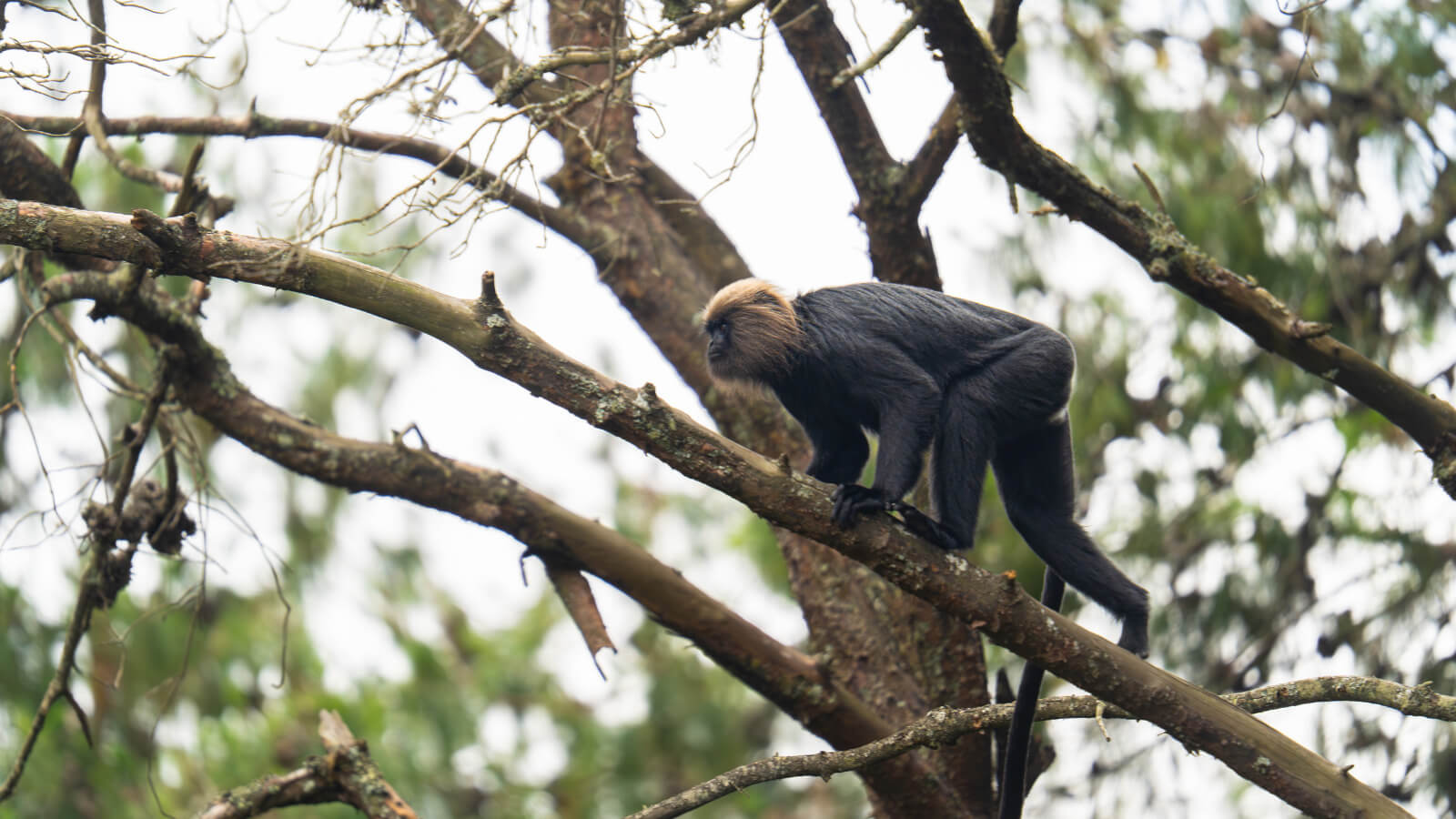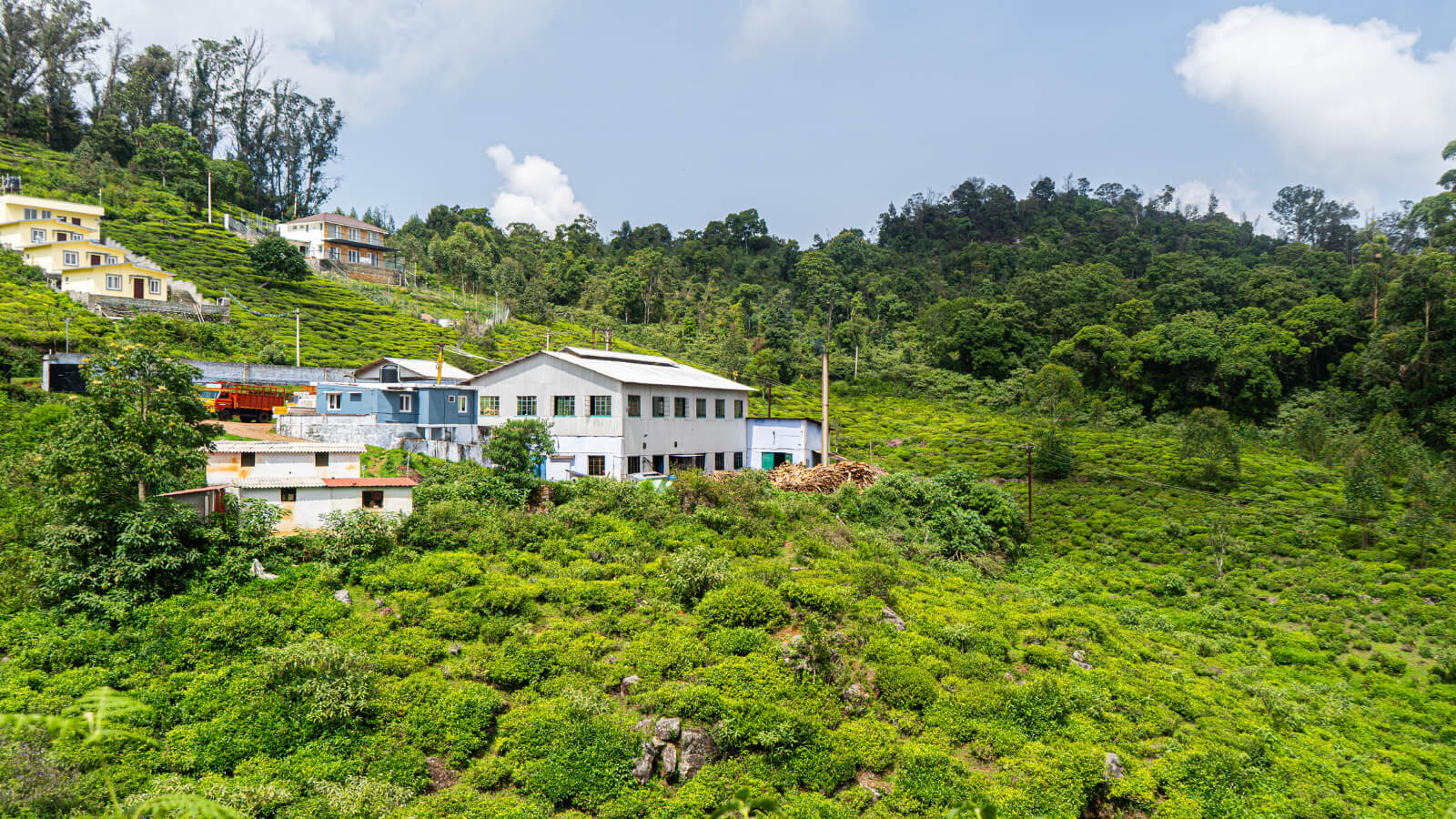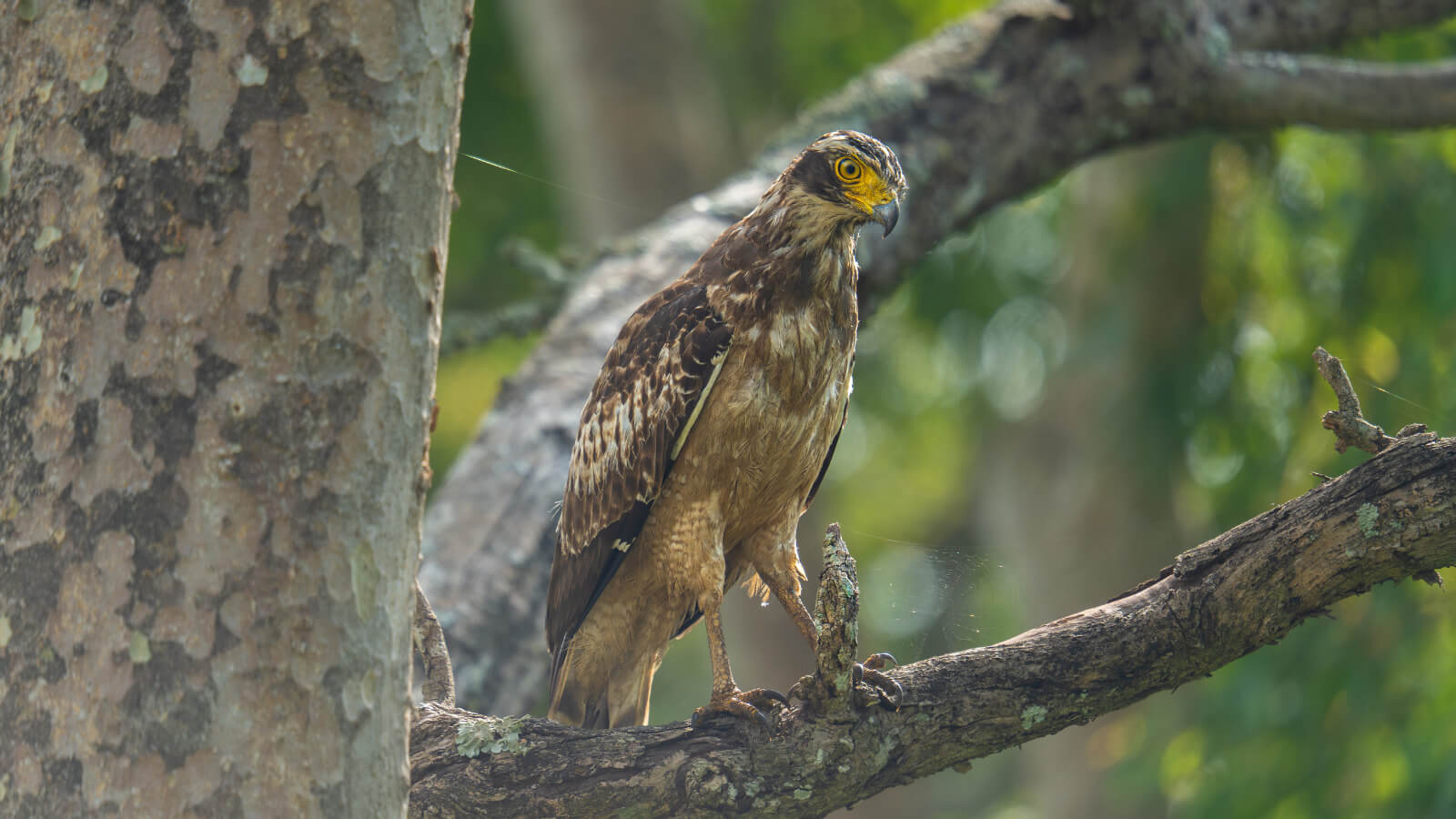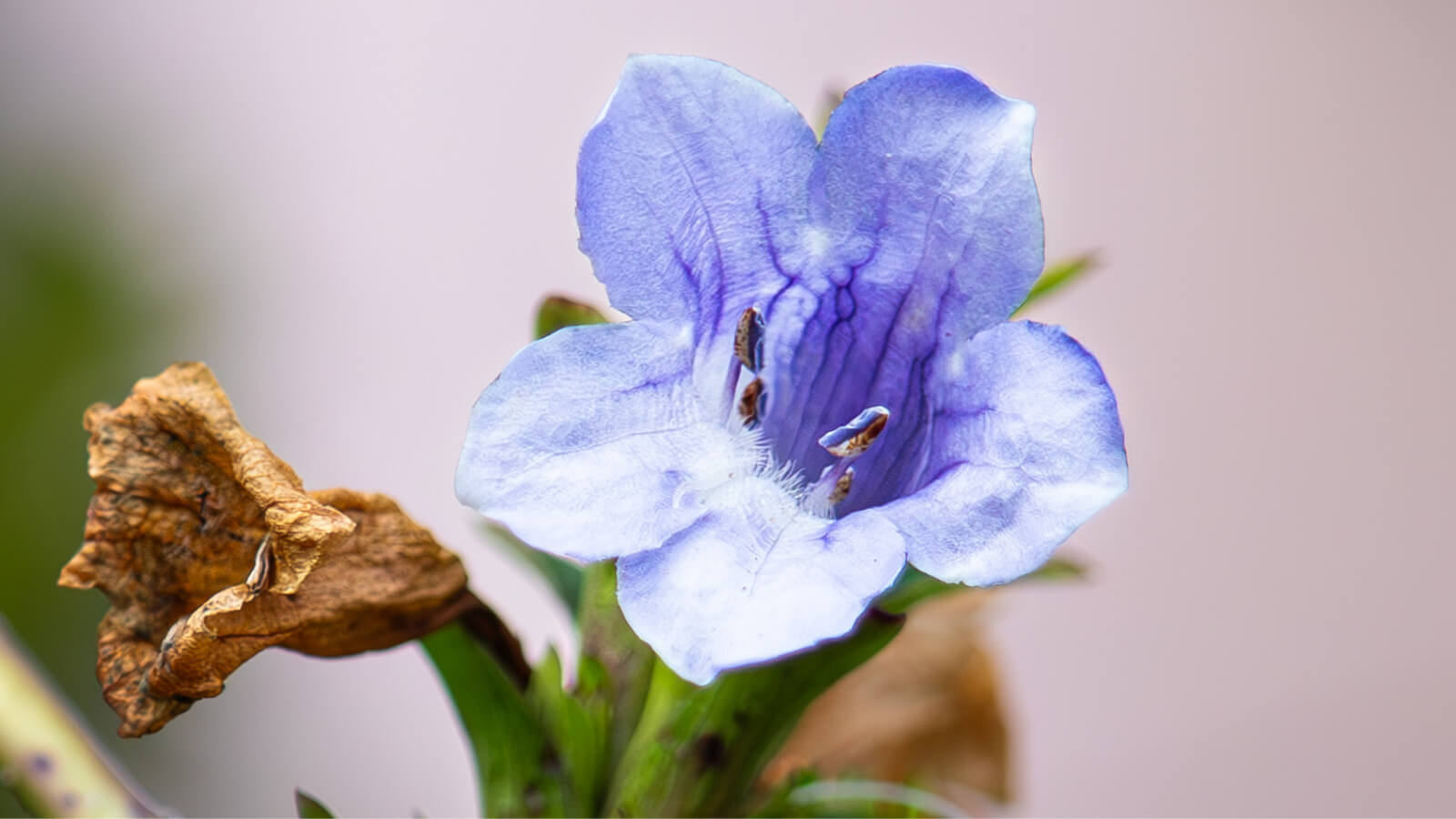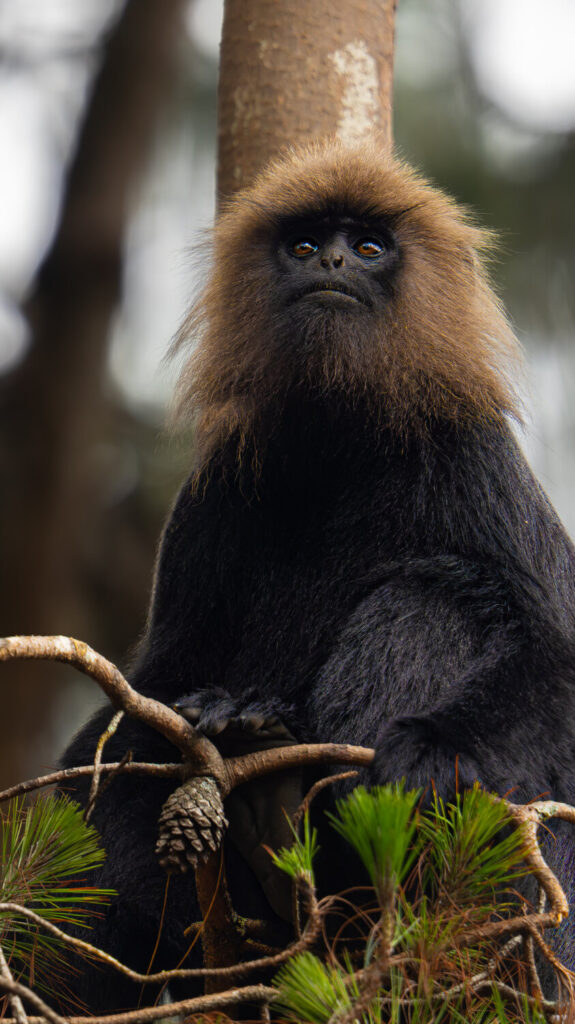
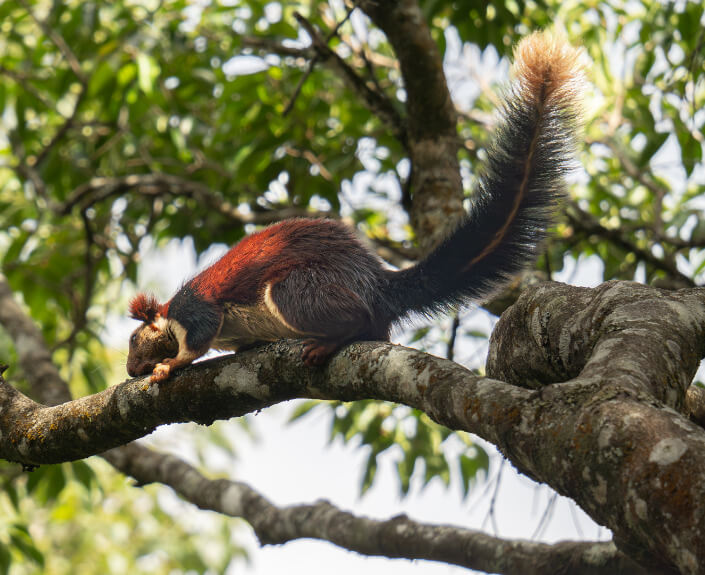
The Nilgiri Conservation Project
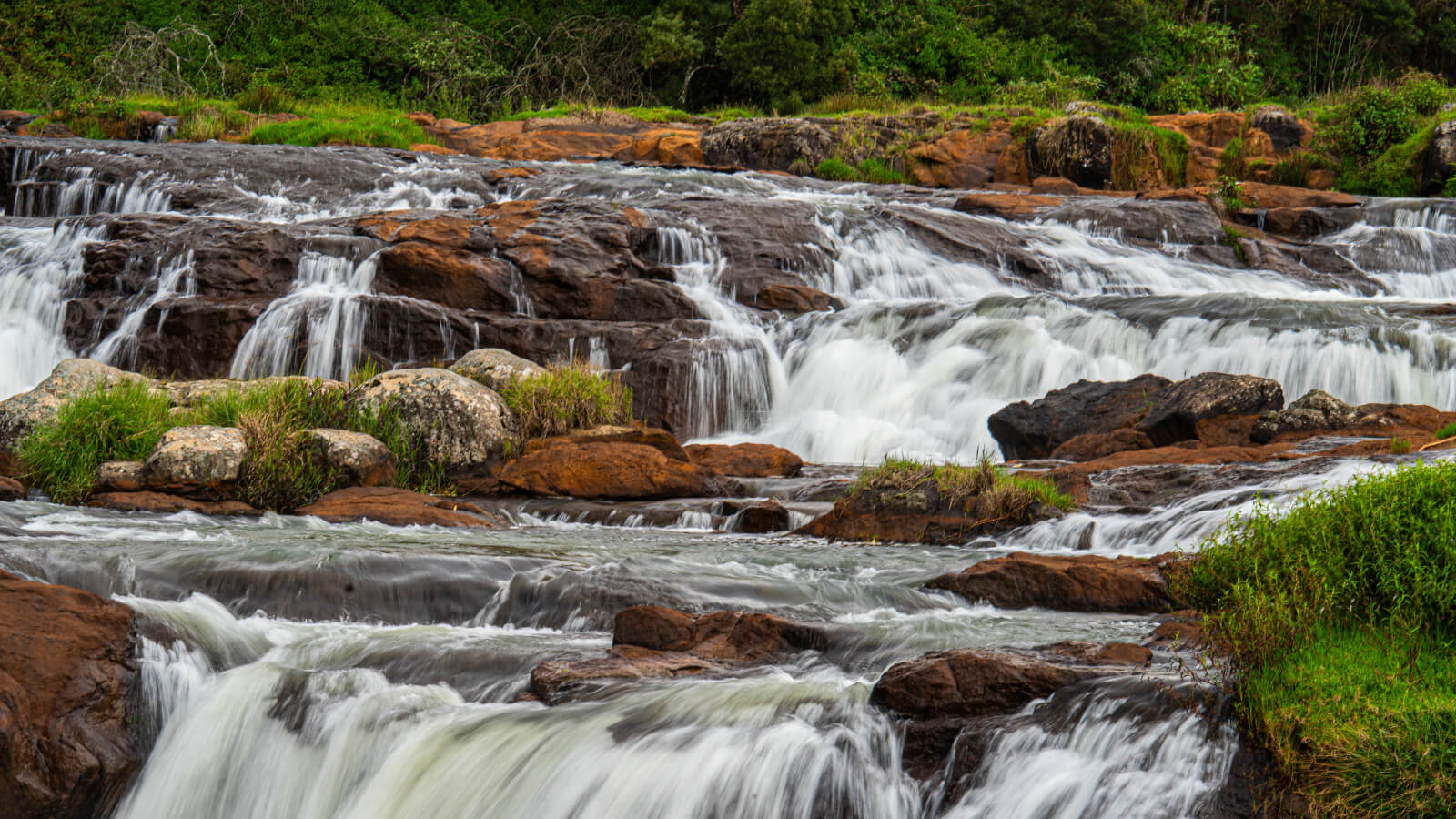
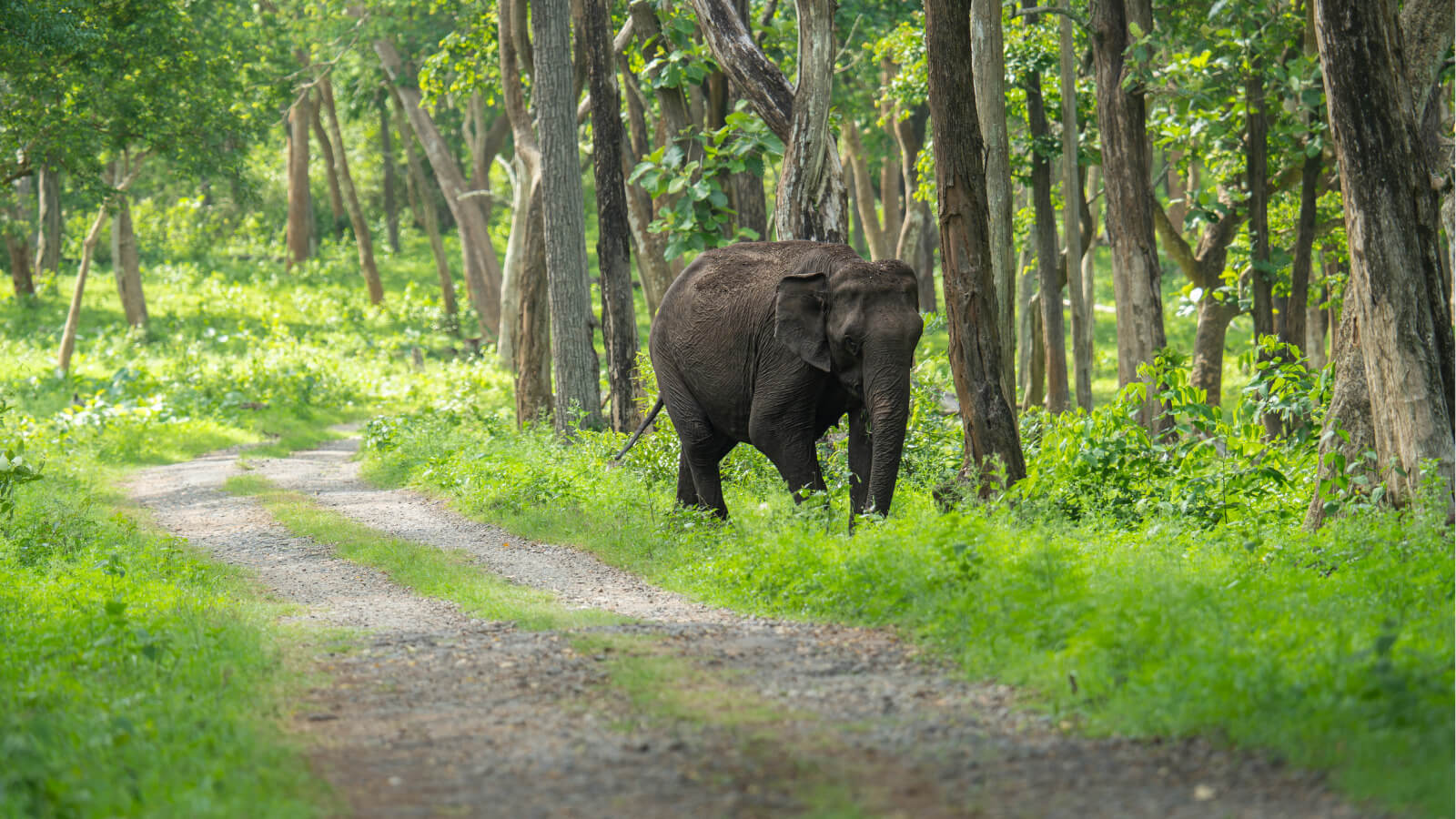
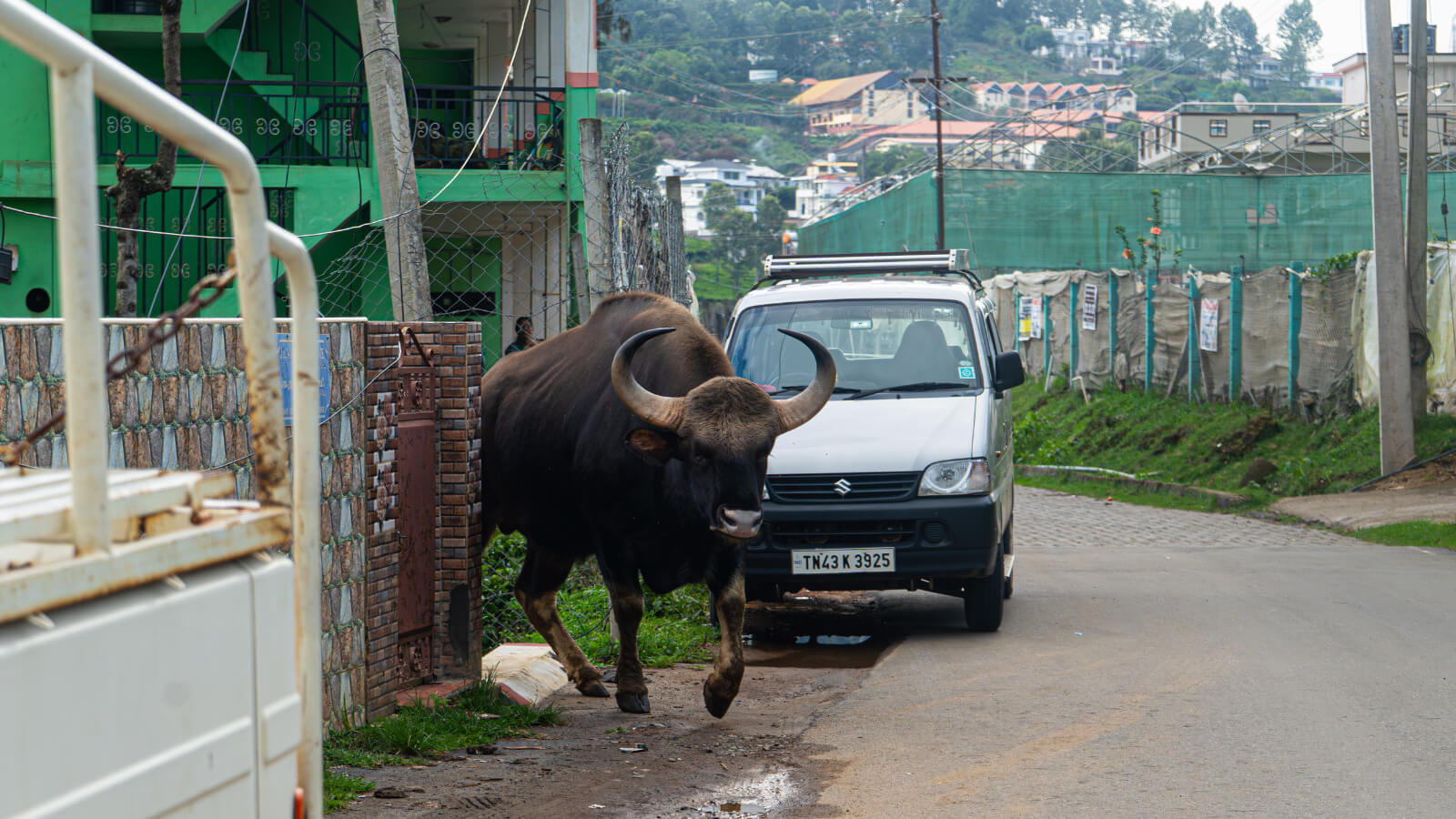
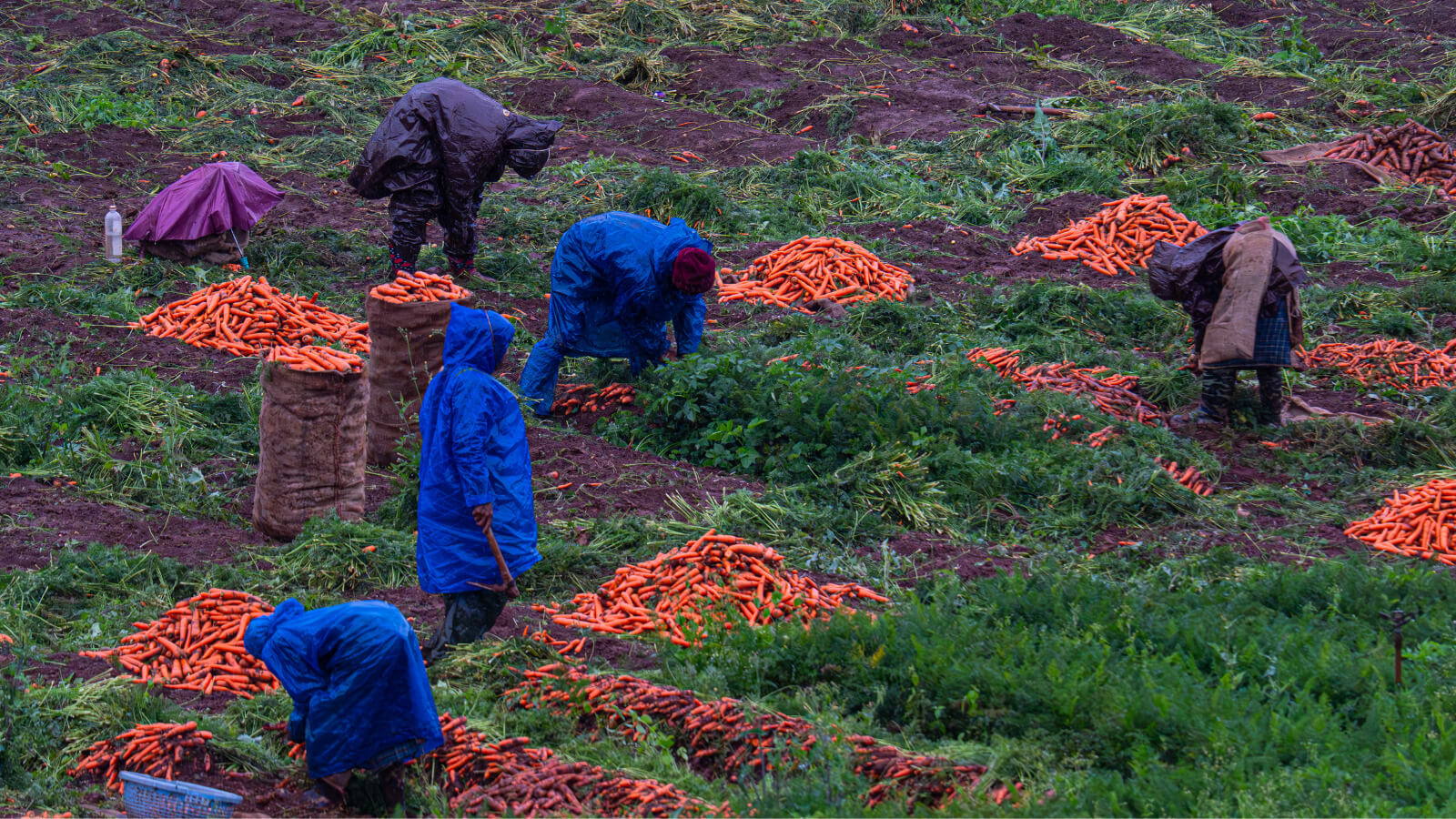
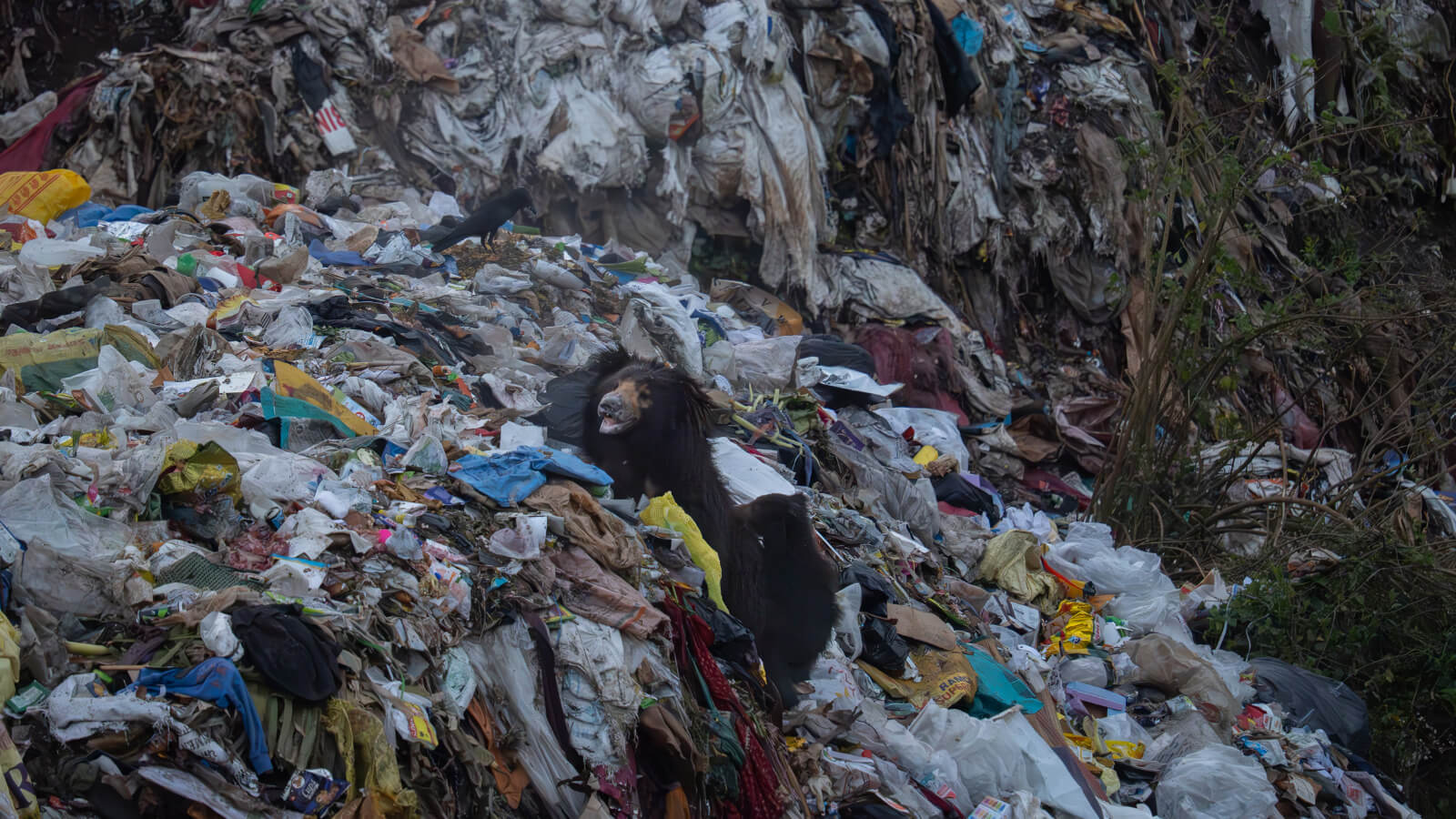
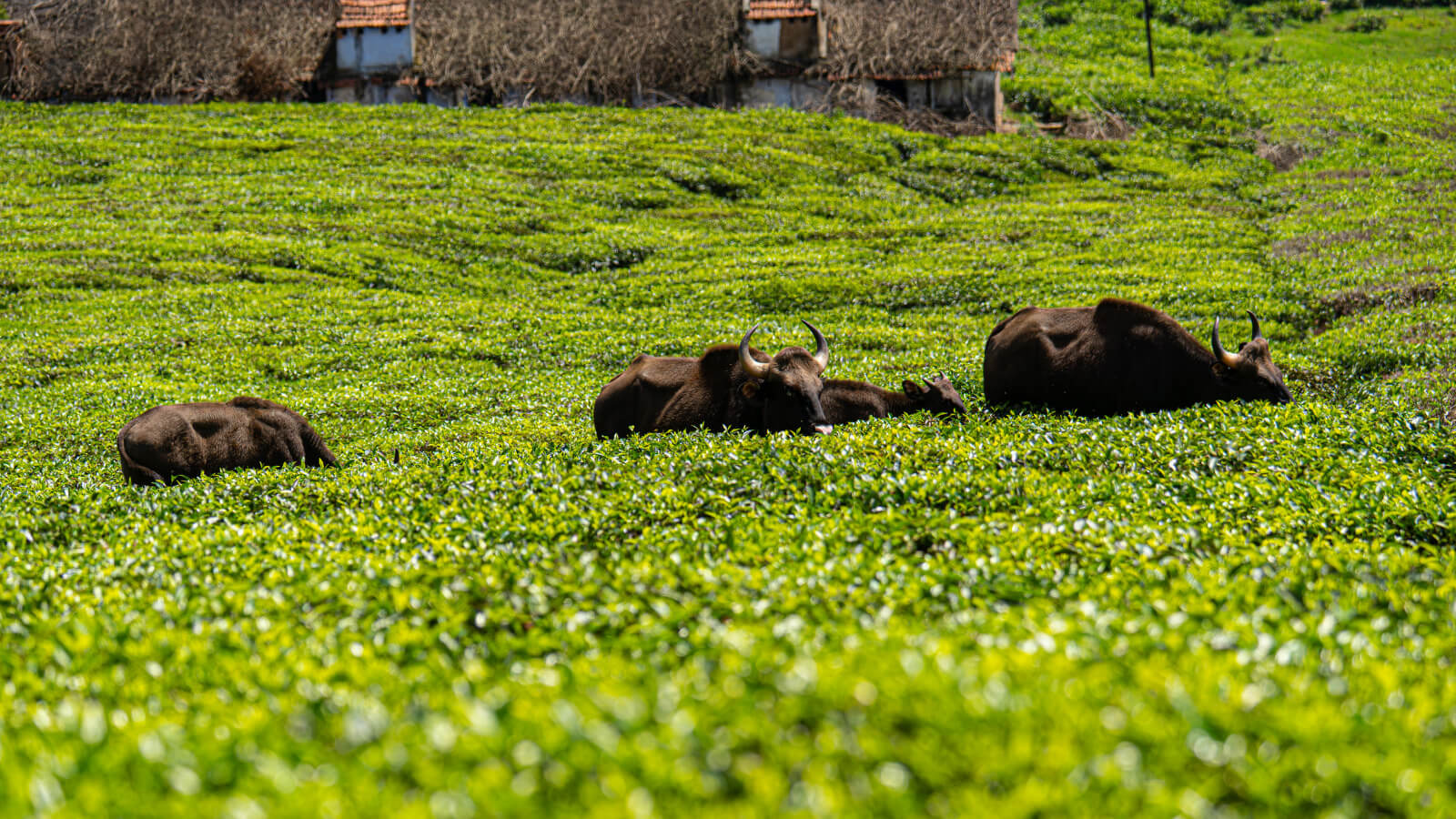
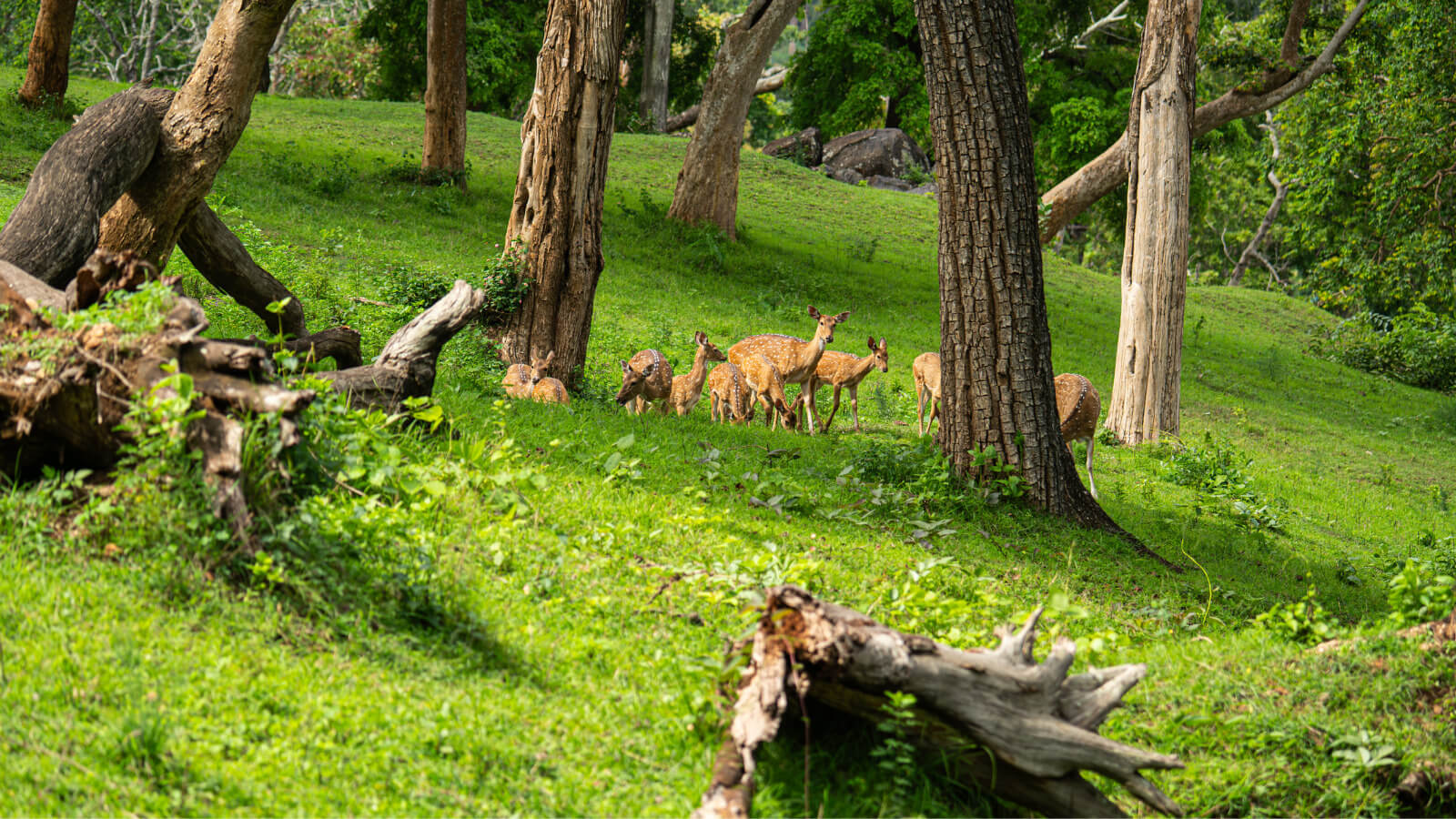
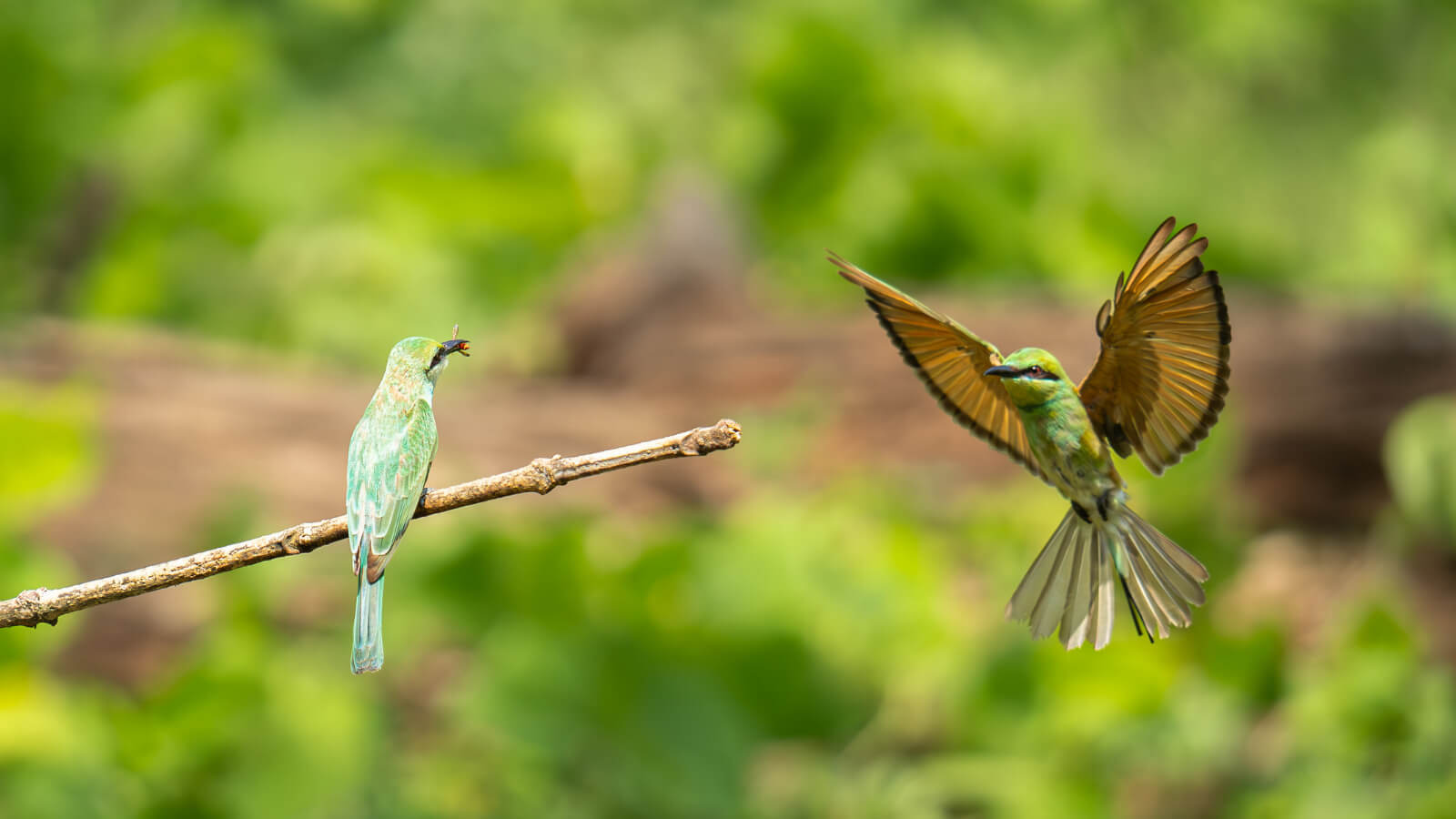
The Nilgiri Biosphere Reserve is one of the most ecologically significant landscapes in India.
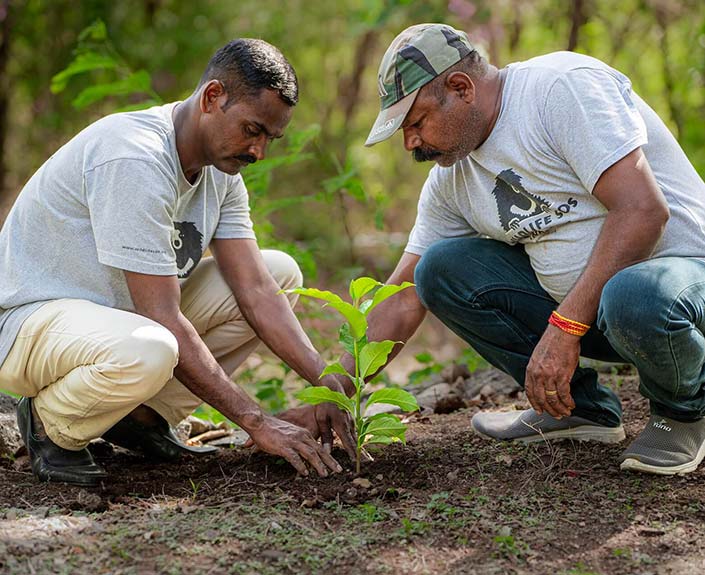
Restoring Habitats for an Equitable Future
Wildlife SOS has initiated the 'Rewild for Wildlife' project to plant native trees.
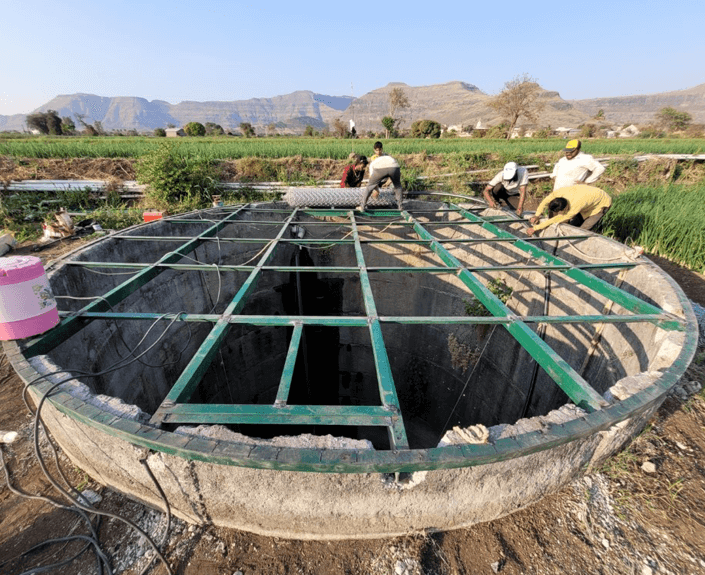
Open Wells Conservation Project
Covering up open wells of Maharashtra to prevent animals (especially leopards) from falling in.
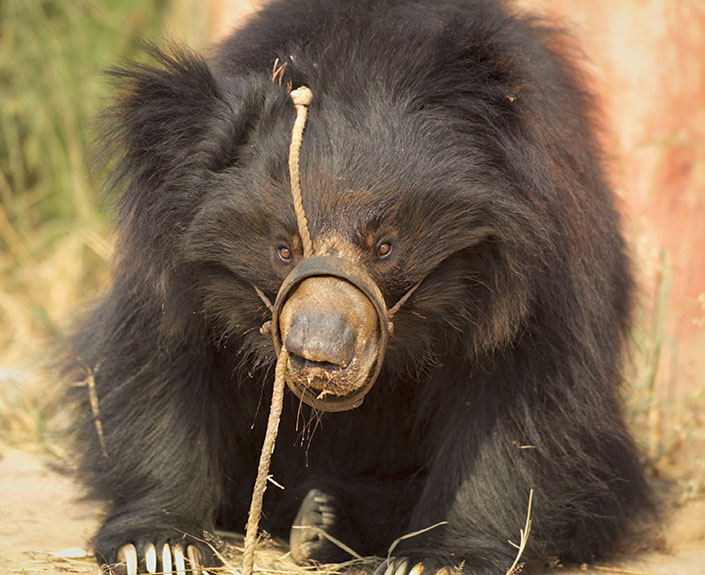
'Dancing' Bear Project
Eradication of the barbaric 400-year-old 'dancing' bear practice in India and provide lifelong care to the bears we rescue.
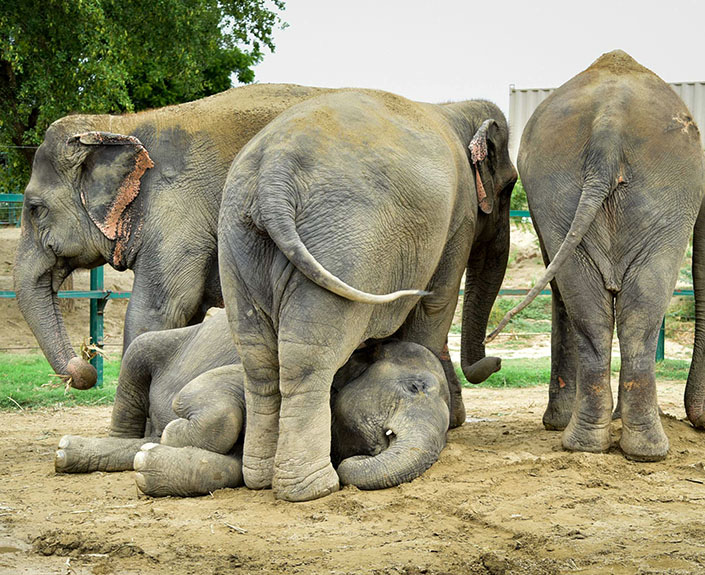
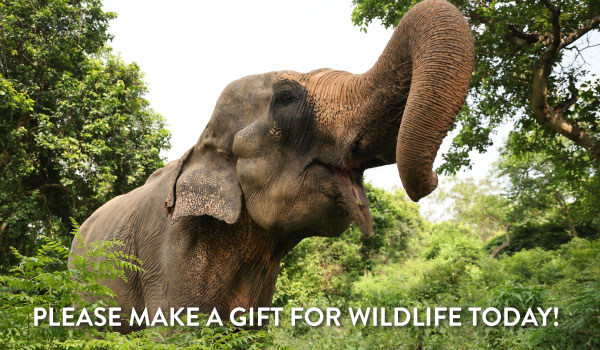
Elephant Conservation & Care
Rescuing and rehabilitating captive elephants from abusive conditions and providing lifelong care in their healing journey.
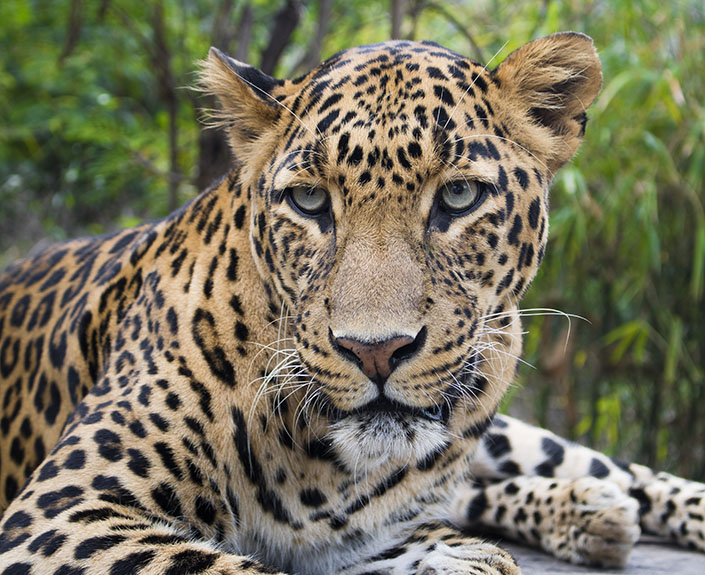
Leopard Conservation
Working towards mitigation of human-leopard conflict, and rescuing orphaned and injured leopards for lifetime care.
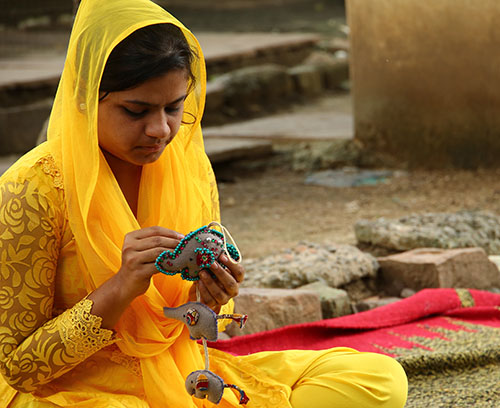
Tribal Rehabilitation Programme
Enable the indigenous communities to have alternative sustainable livelihoods after giving up their bears.
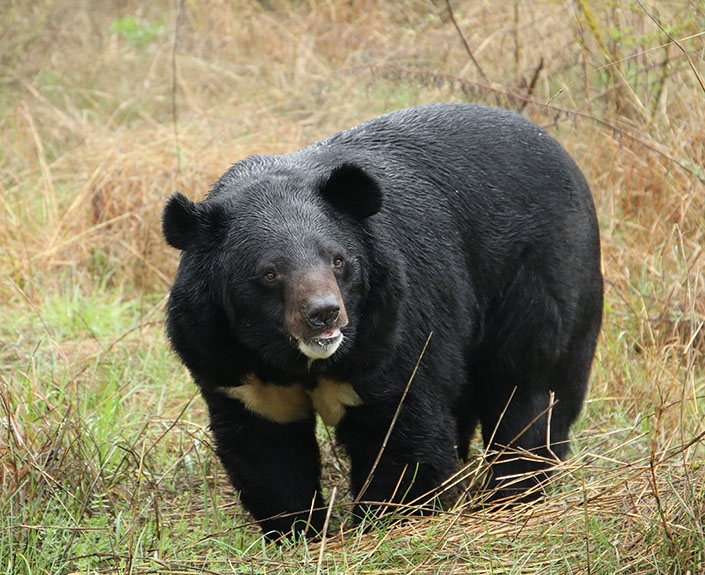
Human-Bear Conflict Mitigation
Protect and provide medical aid to bears in India vulnerable to conflict, poaching and other threats.
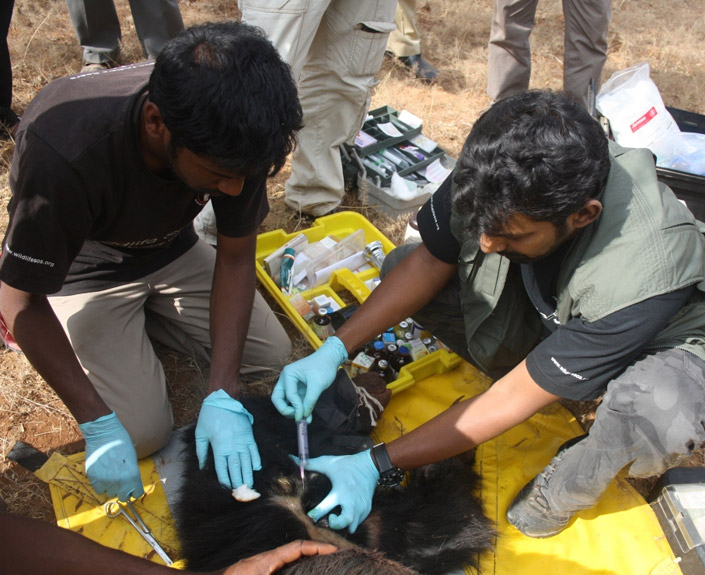
Human-Wildlife Conflict Mitigation
Provide hotlines for the rescue, assistance and dedicated medical care to injured or displaced wildlife.
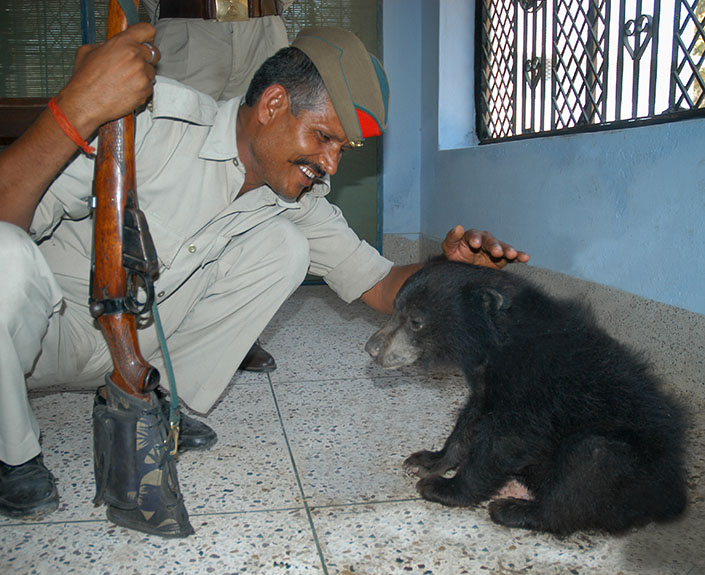
Anti-Poaching
The 'Forest Watch' programme assists the forest department and law enforcement to crack down on wildlife traffickers, poachers and smugglers.
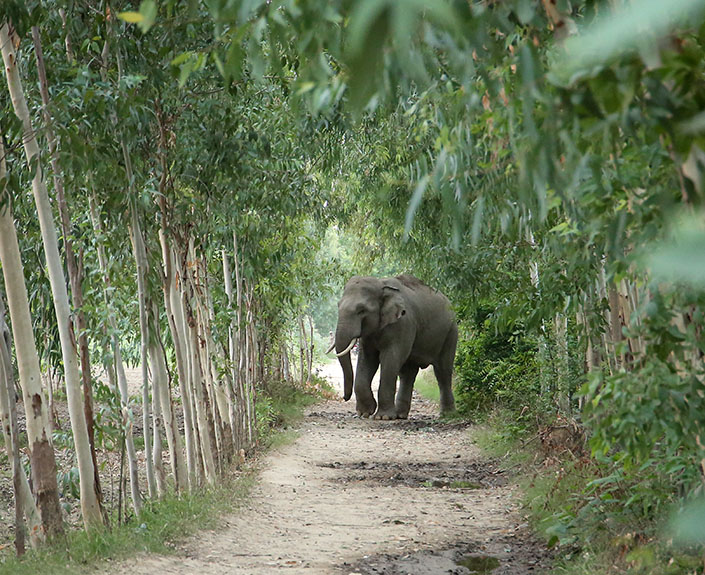
Human-Elephant Conflict Mitigation
Mitigate conflict with wild elephant herds and provide education in the Chhattisgarh region of India.
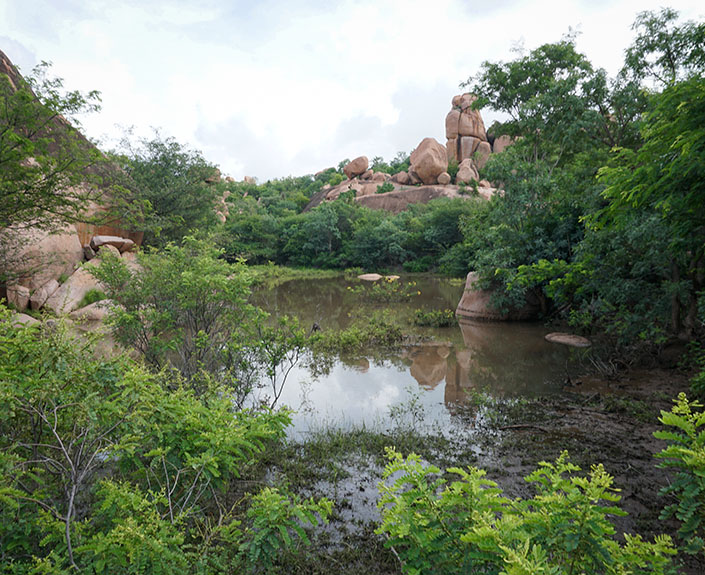
Habitat Conservation
This conservation project aims to protect precious sloth bear habitat near the Ramdurga Valley in Koppal, Karnataka, India.
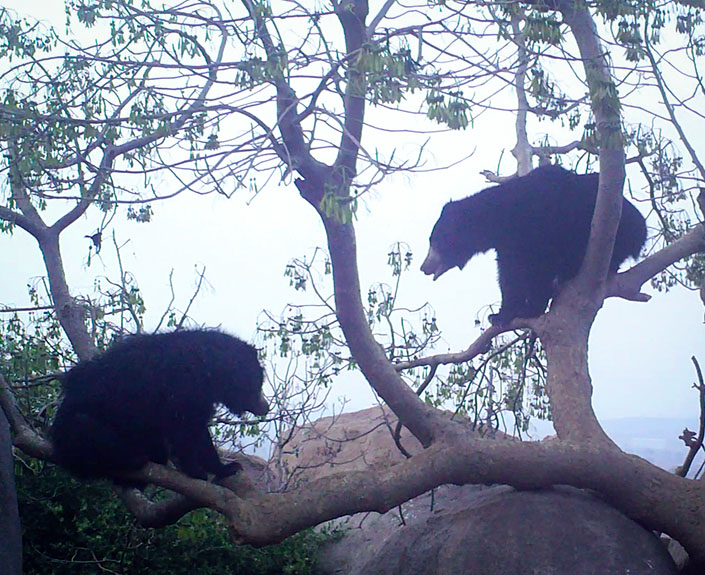
Research & Conservation
Wildlife SOS recognises that human caring and understanding is crucial to saving wild animals and protecting the habitats.